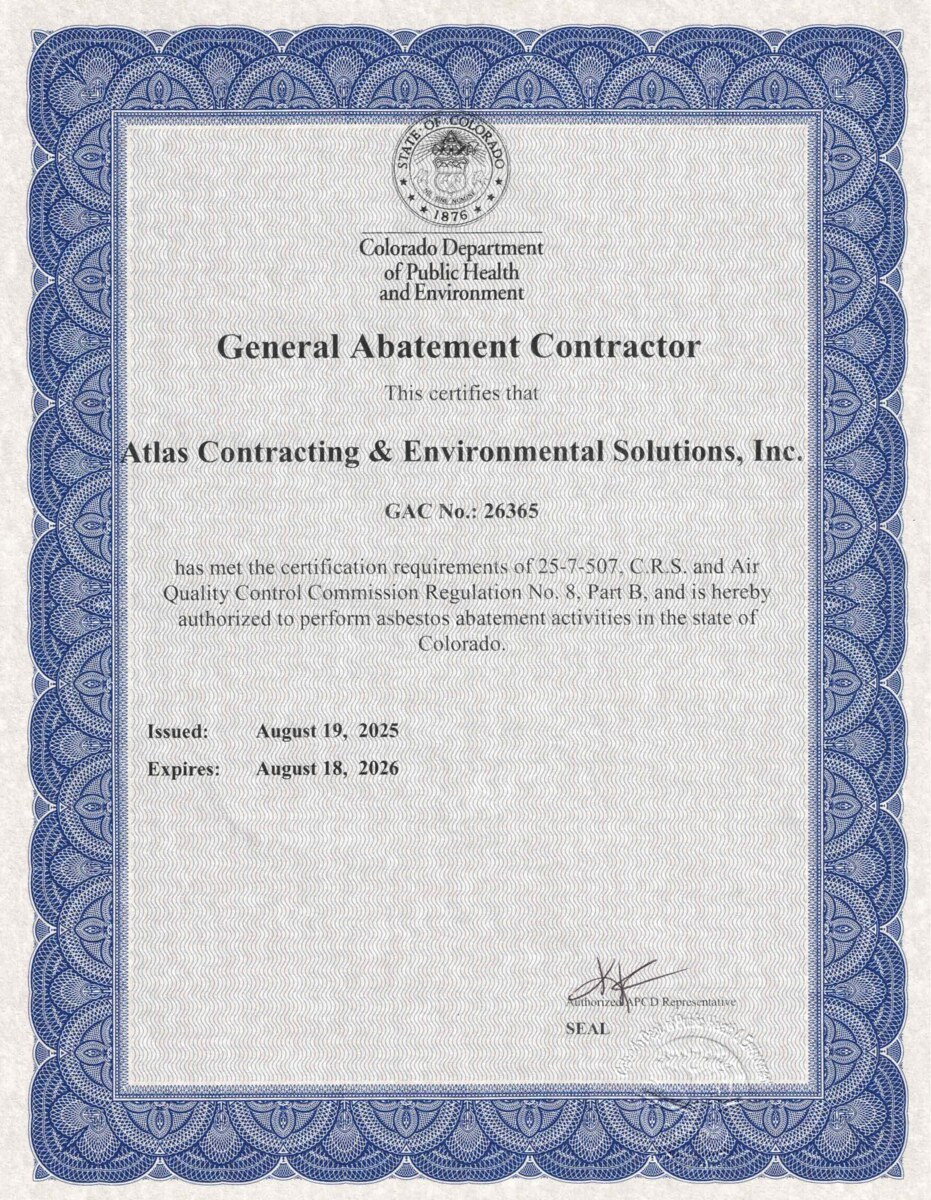
General Abatement Contractor
Colorado CDPHE — GAC No. 26365 · valid through Aug 2026
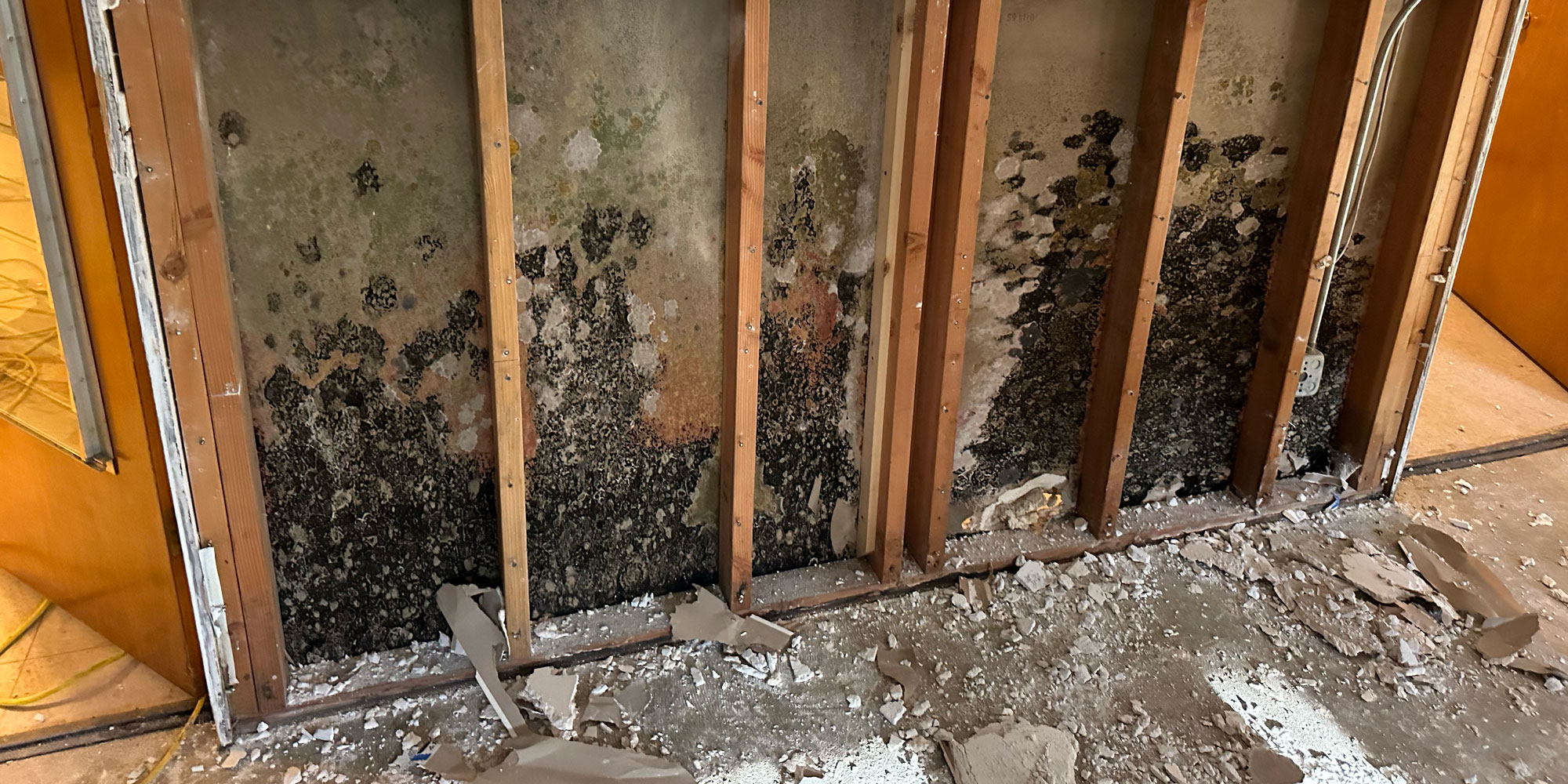
24/7 emergency water extraction for Sheridan homes and businesses. Truck-mounted vacuum systems, submersible pumps, and trained technicians dispatched within 60 minutes to stop the damage before it spreads.





Field Documentation
Watch our certified teams execute compliant containment, extraction, and restoration work on active projects. This video demonstrates the professionalism and documentation rigor that backs every scope.
We work with all major insurance carriers














Certifications
These are the trust details that continue to matter in procurement reviews, environmental documentation, and regulated project handoffs.
General Abatement Contractor
Colorado CDPHE — GAC No. 26365 · valid through Aug 2026
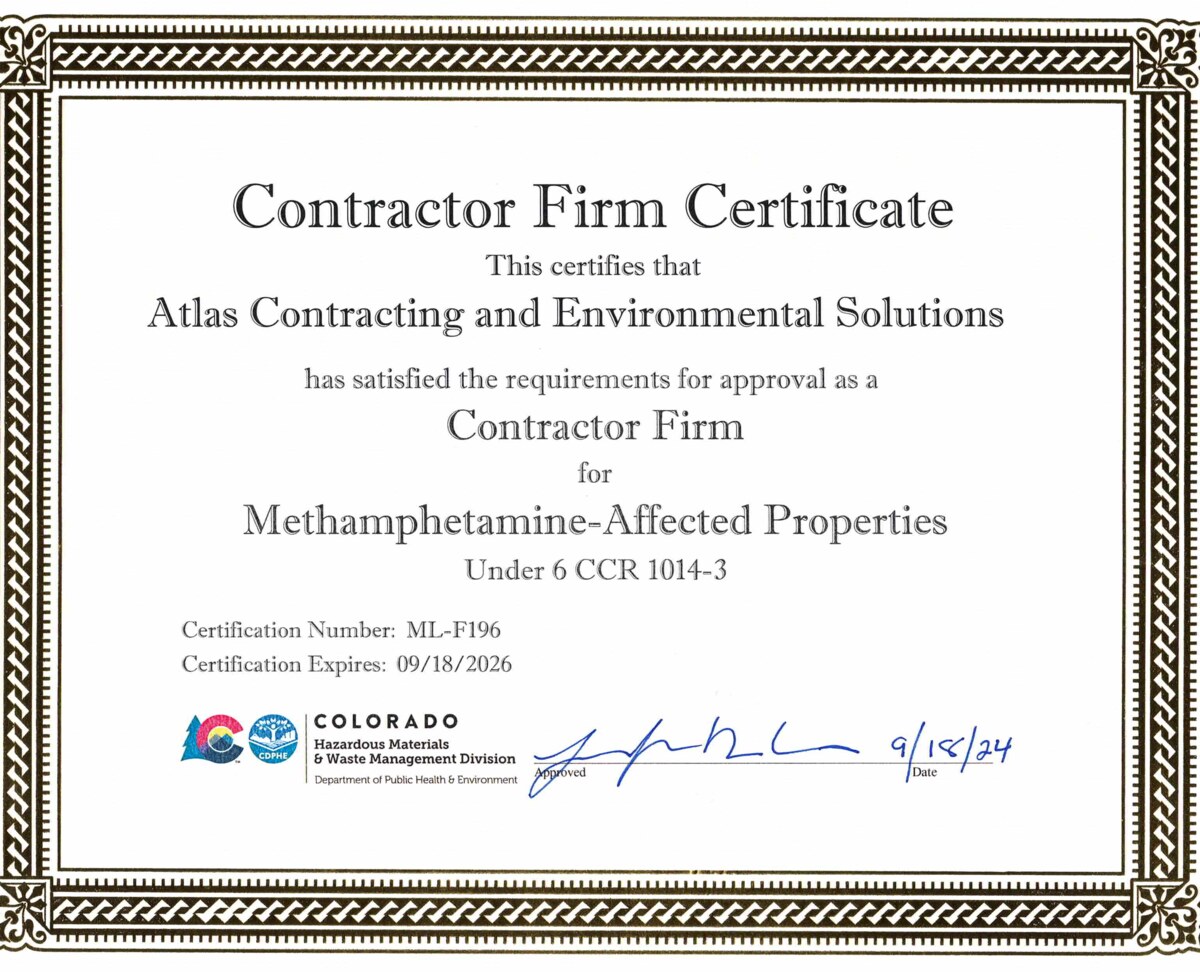
Meth Lab Cleanup
Colorado CDPHE — certified cleanup contractor
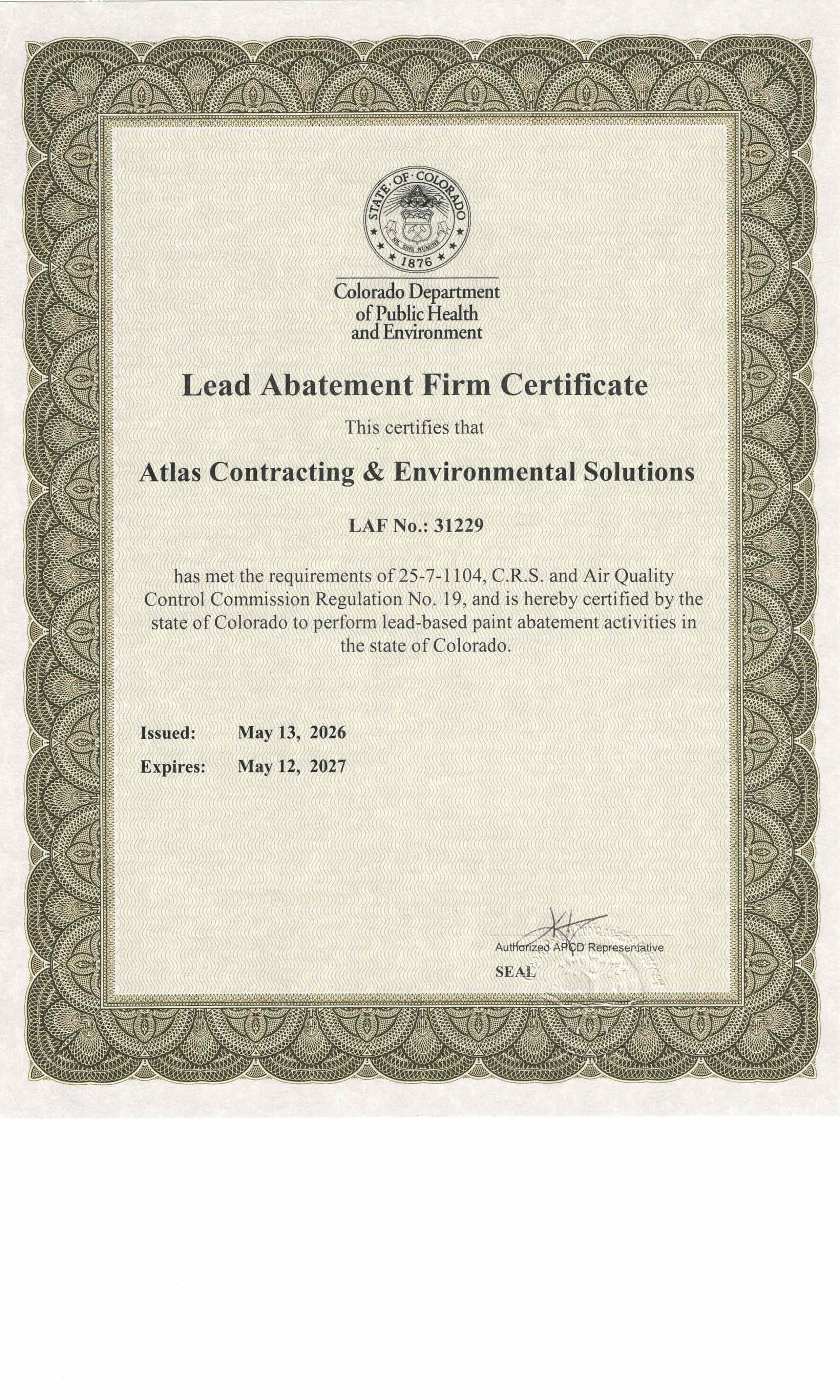
Lead Abatement Firm
Colorado CDPHE - LAF No. 31229 - valid through May 2027
Service Overview
A burst pipe at 2 a.m., a basement filling during a spring storm, an appliance overflow soaking through commercial flooring — every water event has a window where fast extraction prevents the loss from escalating into structural damage, mold growth, and extended downtime. Atlas Contracting & Environmental Solutions operates a 24-hour emergency extraction service built for exactly these situations. Our crews respond with truck-mounted vacuum systems capable of removing thousands of gallons per hour, submersible pumps rated for deep basement flooding, and the containment protocols needed to handle contaminated water safely. Every extraction starts with a rapid assessment of the water source, the contamination category, and the materials at risk so the response plan matches the actual conditions on the ground — not a one-size-fits-all checklist.
Immediate dispatch for burst pipes, appliance overflows, storm flooding, and sewage backups across Sheridan and surrounding Colorado communities.
Truck-mounted vacuum extraction systems that remove standing water at high volume — critical for basements, commercial spaces, and multi-room losses where every hour of standing water increases material damage.
Submersible pump deployment for deep flooding in basements, crawl spaces, elevator pits, and below-grade mechanical rooms where surface extraction alone cannot reach.
Category 1 through Category 3 water handling with appropriate containment, PPE, and disposal protocols — including black water from sewage backups and groundwater intrusion that require decontamination before drying can begin.
Priority commercial response to minimize business interruption, protect inventory, and maintain occupancy timelines for tenants and project schedules.
Coordinated transition into structural drying, mold prevention, and restoration planning so extraction is not an isolated event but the first step in a controlled recovery.
Process
A documented, compliant process from first call to clearance — every step photographed, logged, and shareable with adjusters and inspectors.
Dispatch and initial assessment — Atlas receives the call, dispatches the nearest available crew, and confirms the water source, affected area, and contamination category on arrival. Immediate containment stops the loss from expanding while the extraction plan is set.
Extraction and removal — Truck-mounted vacuums and submersible pumps remove standing water from all affected areas including carpet, padding, subfloor cavities, wall cavities, and crawl spaces. Weighted extraction tools pull trapped moisture from soft materials. Contaminated water is handled according to category-specific protocols and disposed of in compliance with local regulations.
Documentation and next steps — Moisture readings, equipment logs, extraction volumes, and photographic evidence are captured from the first hour for insurance documentation. Atlas briefs the property owner on drying requirements, material replacement needs, and any mold prevention measures before transitioning the project to the next phase of recovery.
24-Hour Rapid Water Removal Services
When a Sheridan property owner calls for emergency water extraction, the first goal is not just speed, it is control. Atlas arrives ready to confirm the source of the loss, the category of water involved, and the materials most likely to fail if standing water is left in place. A burst supply line in a finished basement is handled differently than storm intrusion through a lower-level window well, and both are very different from a sewage backup affecting a commercial restroom or tenant suite. That assessment determines how quickly extraction equipment is staged, what protective measures are required for occupants and technicians, and whether materials can be preserved or should be isolated immediately to keep contamination from spreading into unaffected rooms.
That first-hour response also sets the pace for the entire recovery. Truck-mounted extraction units are used where long hose runs and high water volume make raw suction power the priority. Portable extraction tools come in where elevators, tight hallways, or occupied interiors require a more controlled setup. In basements and crawl spaces, Atlas uses submersible pumps to lower water levels before fine extraction begins, which protects flooring assemblies, insulation, framing, and stored contents from the extra dwell time that turns a manageable loss into a demolition-driven restoration. The practical difference for the property owner is that the site moves quickly from chaos to a documented sequence of work with clear next steps.
Atlas also treats communication as part of emergency response, not an afterthought. Property owners, facilities teams, and adjusters need to know what category of water is present, what has already been removed, what materials are still wet, and what decisions must happen next. That is why our crews capture moisture readings, site photos, extraction volumes, and affected-area notes as they work. When the water is finally out, the client is not left with a vague statement that the emergency is over. They have a record of what happened, what was stabilized, and what must happen next to keep the project moving toward drying, decontamination, and restoration instead of sliding backward into hidden moisture or avoidable mold growth.
Rapid dispatch for burst pipes, washing machine overflows, sprinkler releases, storm intrusion, and sewage-related water events across Sheridan and the south Denver corridor.
Controlled extraction planning for carpet, pad, subfloor, drywall, insulation, crawl spaces, elevator pits, and below-grade mechanical rooms where moisture can stay trapped after surface water is removed.
Category-based handling for clean water, gray water, and black water so containment, PPE, disposal, and next-step cleaning measures match the actual hazard on site.
Insurance-ready field records created from the first hour so adjusters and owners can review photos, readings, and scope notes without reconstructing the event after the fact.
Why Professional Extraction is Critical
Standing water rarely damages only what the eye can see. Carpet may look like the obvious problem, but the more expensive risk is usually the moisture that has already moved into padding, tack strips, base plates, insulation, and the lower sections of drywall. In commercial interiors, water migrates under luxury vinyl tile, into wall assemblies, and across long floor spans where it reaches inventory, millwork, and adjacent suites. In residential properties, the hidden cost often comes from delayed drying in closets, behind cabinetry, and inside basement framing cavities. Emergency extraction matters because it shortens the amount of time those materials remain saturated and reduces the square footage that eventually has to be cut out, cleaned, or rebuilt.
Professional extraction is also a contamination-control decision. Clean supply-line water can become a Category 2 problem quickly once it flows through construction dust, floor debris, or contaminated building cavities. Sewer backups and groundwater intrusion are already Category 3 events and must be treated as biohazard conditions from the start. Attempting to handle those losses with consumer equipment usually spreads the problem, because the operator has no practical way to remove deep moisture, control aerosolized contaminants, or confirm whether the remaining materials are safe to dry in place. Atlas uses extraction, containment, and documentation together so the site is not only drier, but safer and easier to restore without revisiting the same hazard twice.
The other reason speed matters is schedule. Water losses interrupt occupancy, tenant operations, renovation timelines, and insurance claim handling all at once. A property owner who waits until the next day may still have the same amount of visible water, but the downstream project can look very different: more demolition, more microbial risk, more lost use, and more disagreement over what should be covered or replaced. Atlas approaches emergency water extraction as the first control point in the larger recovery chain. Get the water out fast, verify where moisture remains, document the site accurately, and hand off to drying or remediation with a real plan. That is how you keep a midnight pipe break or flood event from turning into a week of preventable escalation. It also keeps owners from making rushed, expensive decisions with incomplete site information.
Faster extraction reduces the chance that sill plates, lower wall cavities, and insulation stay wet long enough to trigger mold colonization or structural degradation.
Documented removal and moisture mapping make it easier to separate salvageable finishes from materials that truly require demolition, which protects both schedule and budget.
Professional black-water handling keeps sewage-related and groundwater-related contamination from being tracked into occupied spaces or absorbed into materials that should be removed.
Clear transition planning into structural drying, decontamination, and restoration keeps Sheridan projects from stalling after the emergency crew leaves site.
Trust Signals
We combine certified remediation teams, demolition capability, and restoration coordination under one contractor.
DUNS
117517457
CAGE CODE
62FR3
EPA Lead-Safe Certification No.
NAT-F222667
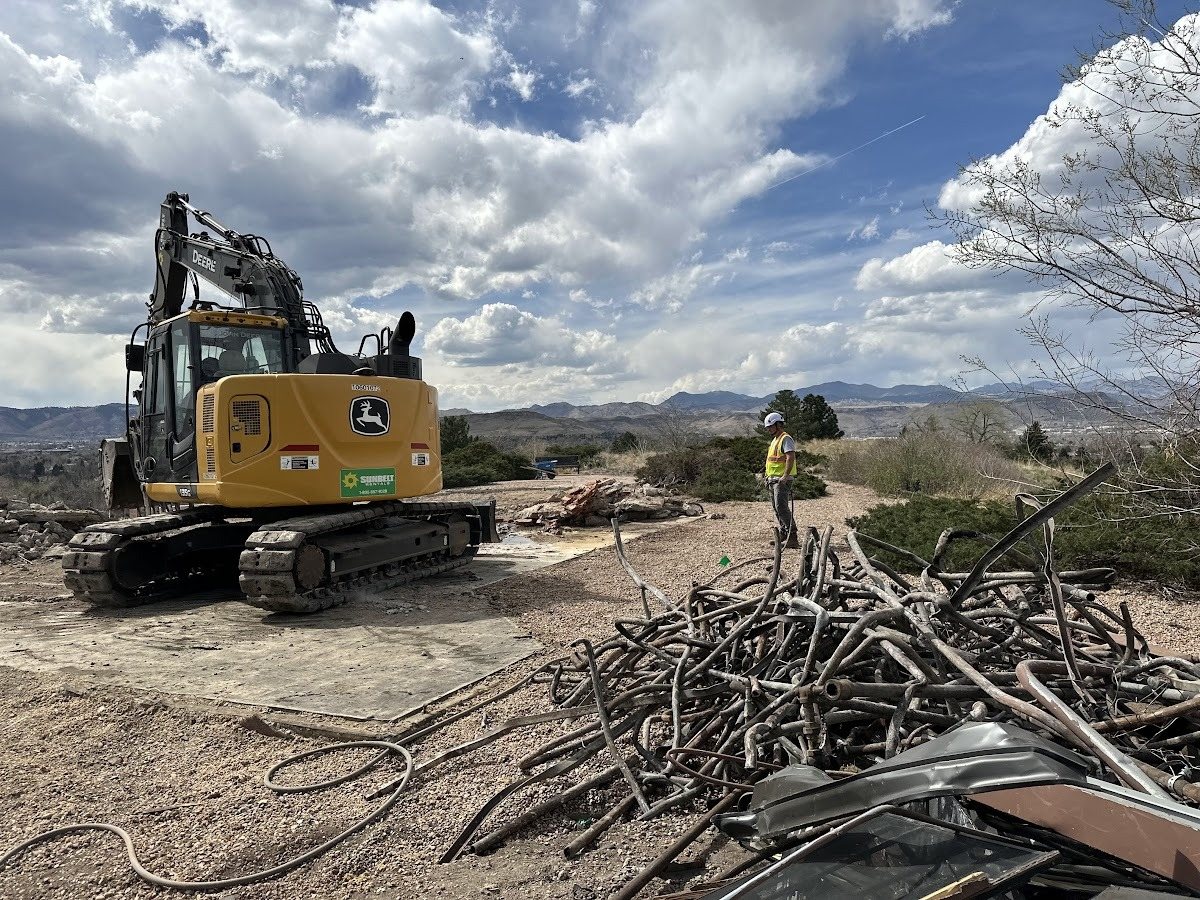
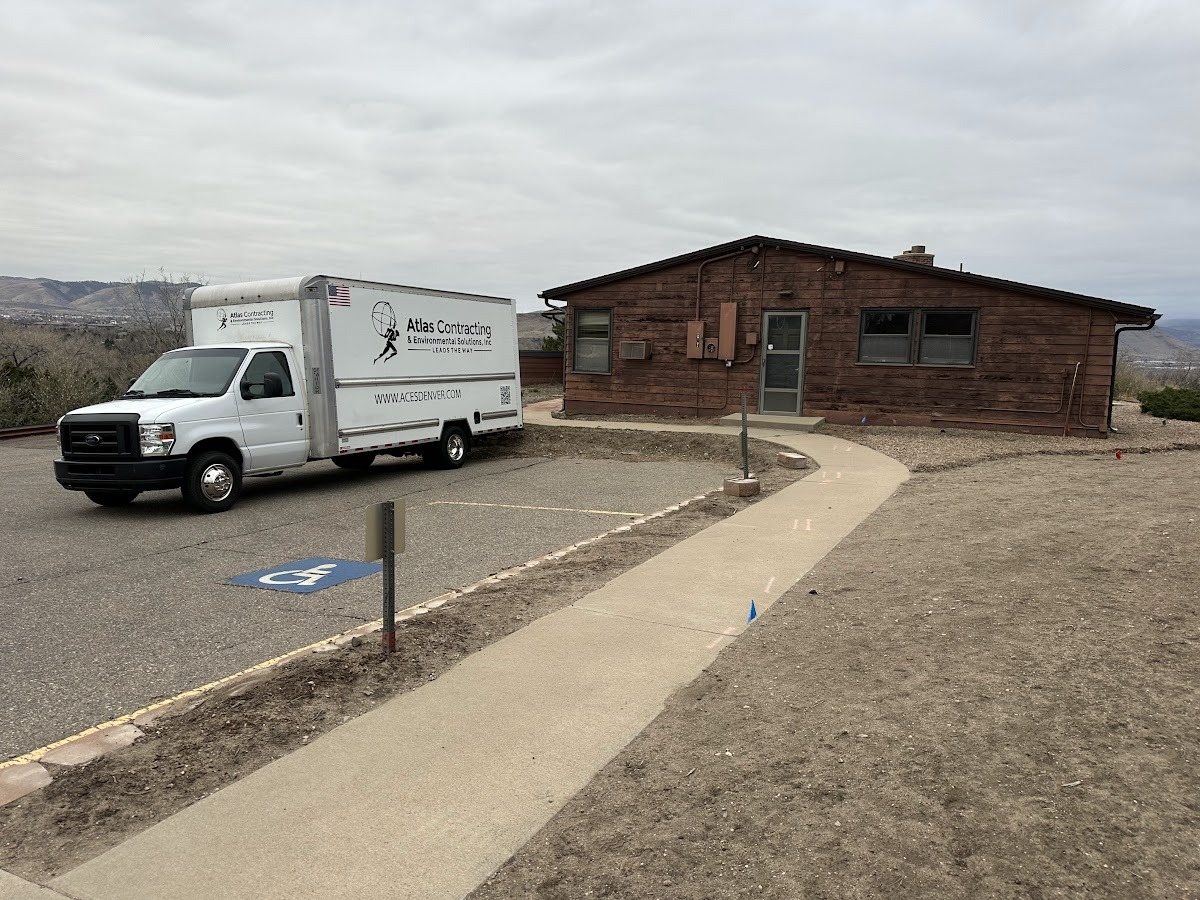
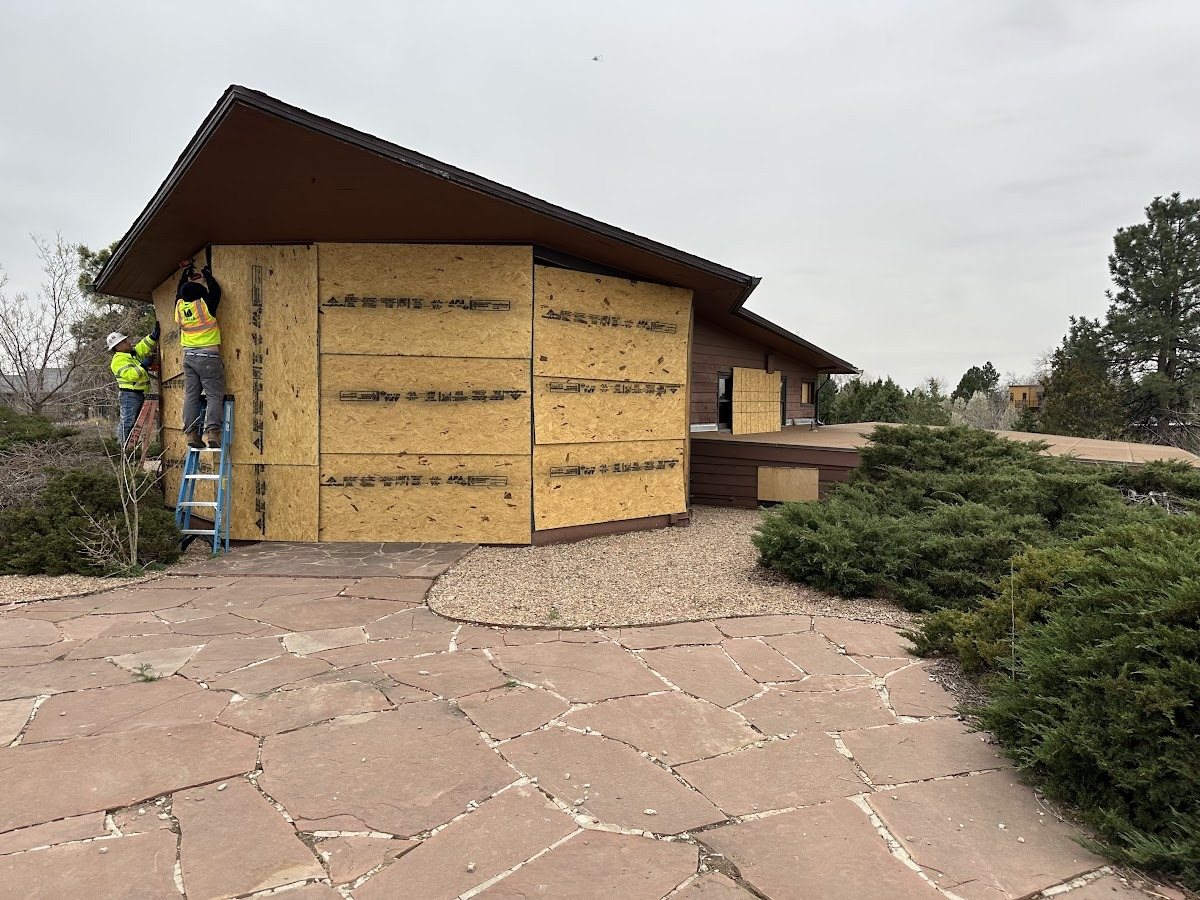
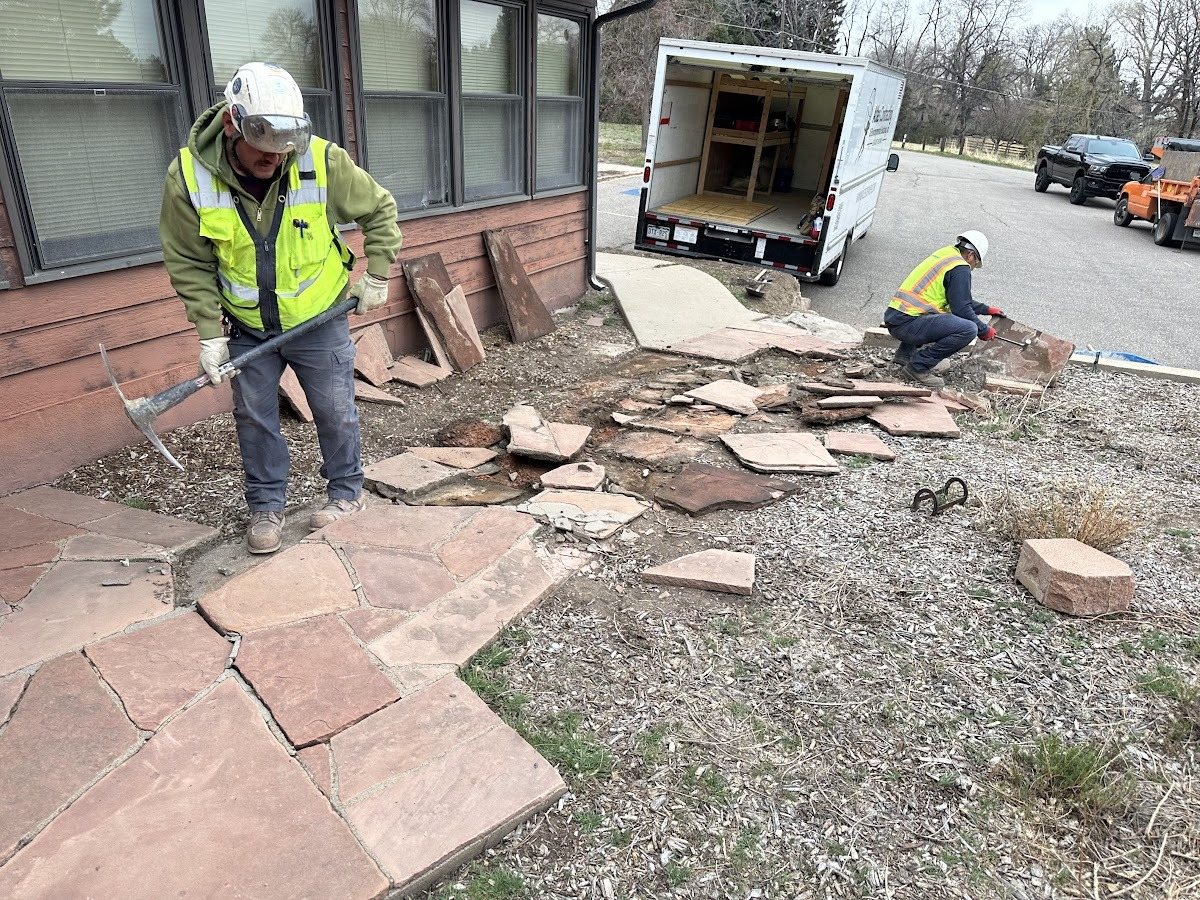
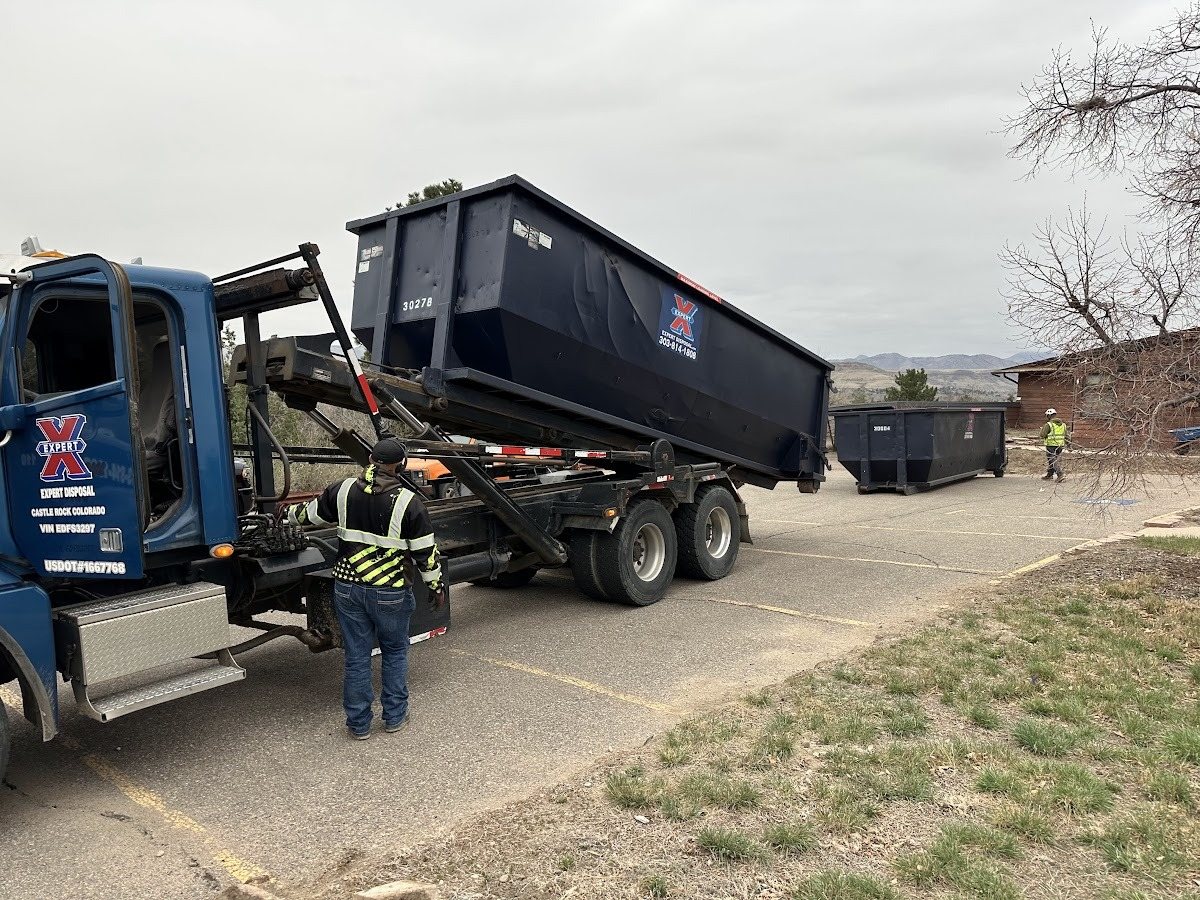
Documented Atlas project work — containment setups, in-progress remediation, and finished restoration scopes captured on active jobs.
Case Studies
Examples of comparable Atlas projects from the current ACES portfolio.
Water Loss Mitigation
A rapid response was carried out to address water damage in a leasing office.
Read case study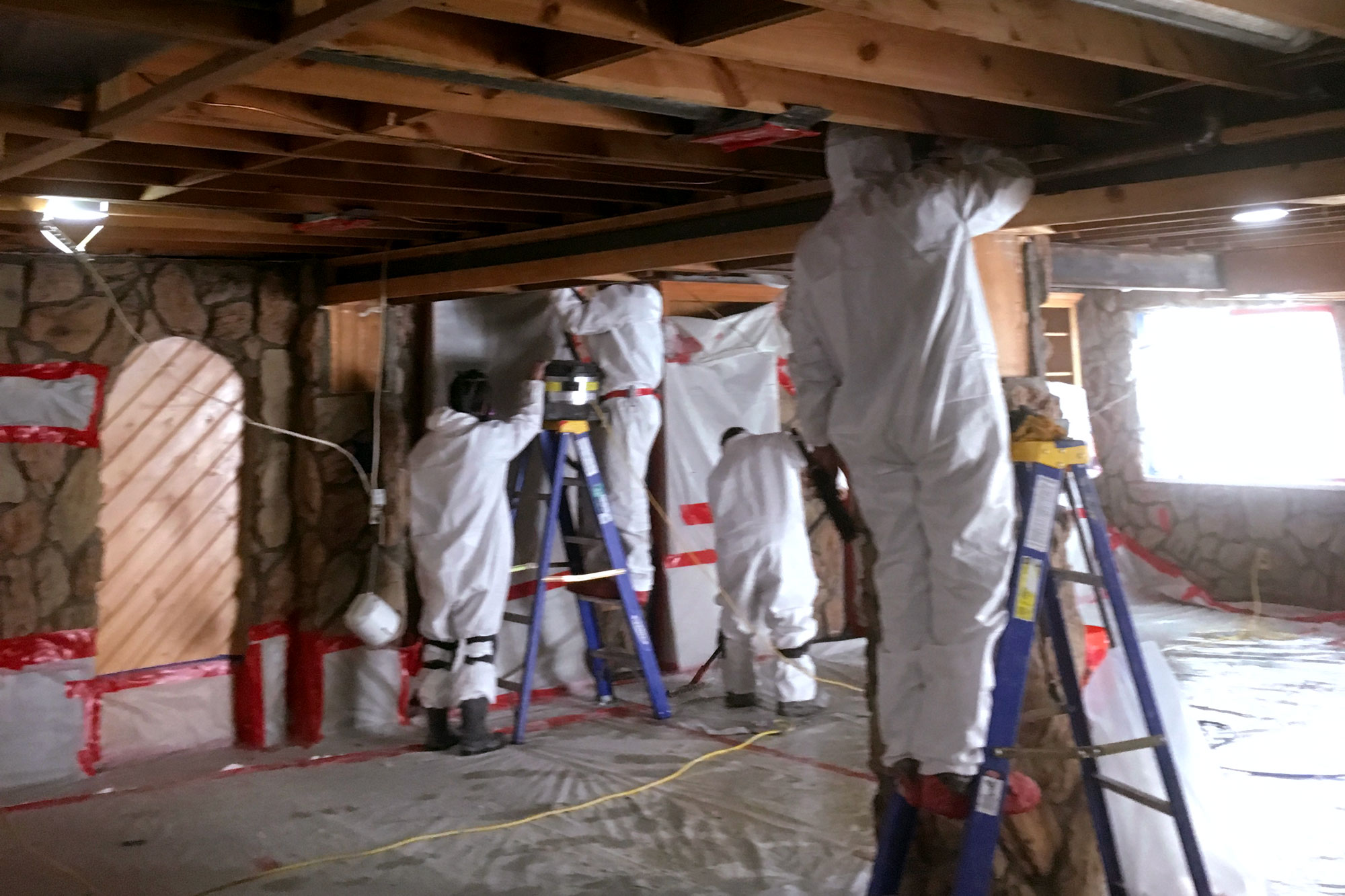
Water Loss & Asbestos Abatement
A pipe break on the second level resulted in significant water damage.
Read case study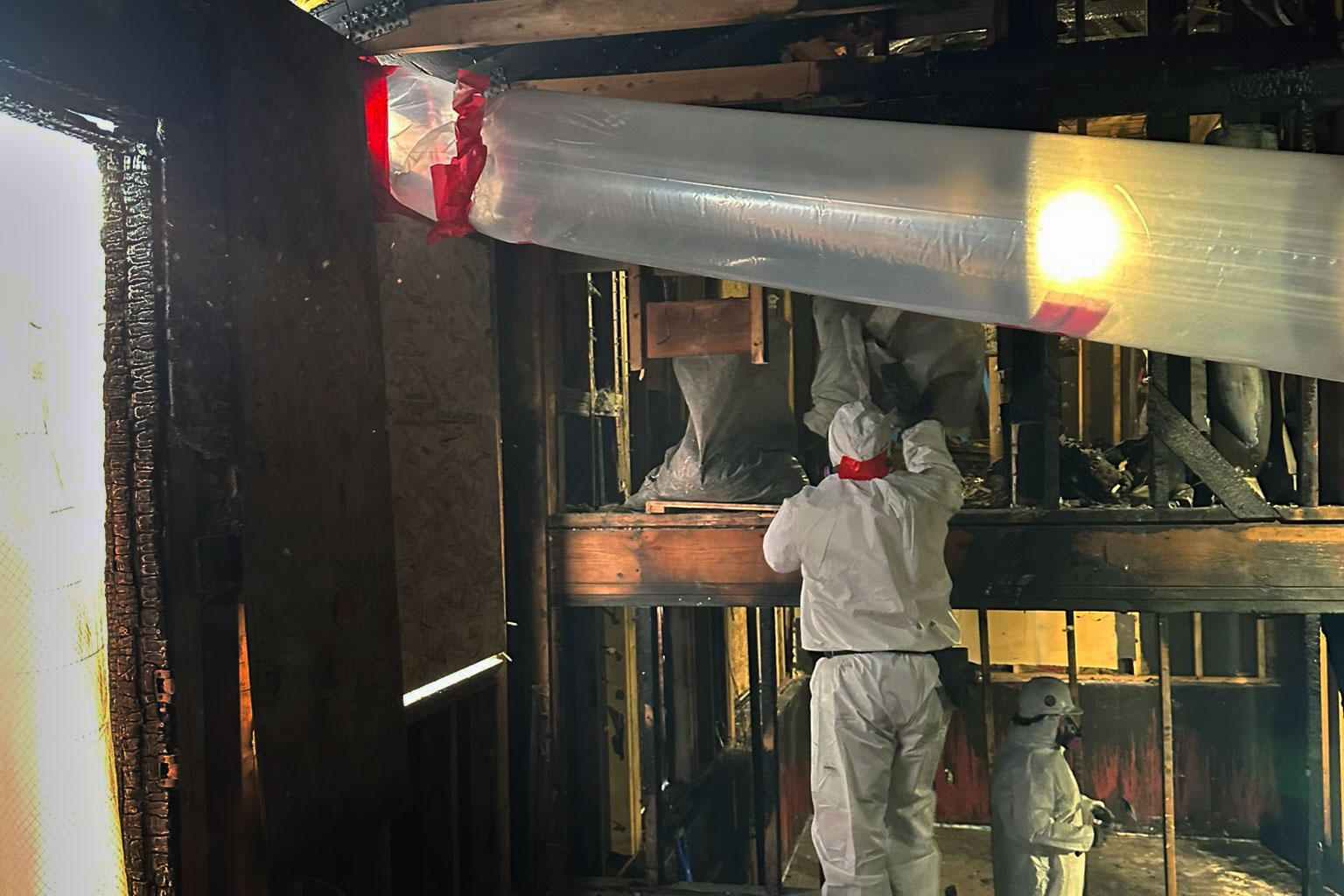
Emergency Water Spill Response
Our team was deployed to address a major water spill that posed immediate health and safety risks.
Read case studyClient Feedback
Recent reviews from property owners and managers who needed responsive, well-documented project execution.
Brian Haugh
2 months ago
Great crew and fast response
georgina Cordero
7 months ago
Steve and his crew, along with Cassandra were amazing. Steve put me at ease with my situation, he took care of everything. They showed up and worked and did an excellent job.
theresa haskin
11 months ago
We had a roof leak in our kitchen caused by a roofer. Rob came out right away and assessed the issue and worked with myself and the roofer. That day he had made a plan for how the job would go, and began setting up equipment to keep my family safe. He walked me through every step of how the job would go and kept my husband and I informed throughout the process. He made sure that the toddler and newborn in my home would be safe throughout the entire demo process. I cannot recommend this company enough.
Doug
11 months ago
This is an honest place. There are so many disreputable companies out there in this industry, but Atlas is not one of them. Quick work, proper abatement to prevent contamination, and friendly service all come with the fairly priced Atlas contract. Nobody wants to have this work done because it usually means things have gone sideways in your home. That said, if you do, call Atlas Contracting and Environmental Solutions; the company is ACES!!!
Jacob Martin
11 months ago
Wonderful experience working with Steve and his knowledgeable and skilled team. 10/10
Rebecca Love
1 year ago
Fast to set up, done promptly and tidy afterwards. Thanks
Serving Sheridan, Denver, and the surrounding Colorado Front Range with documented remediation and restoration support.
Mon-Fri 8AM-5PM, 24/7 emergency response available after hours
Emergency dispatch is available after hours for urgent loss events.
Common questions about emergency water extraction in Colorado.
Pricing depends on the volume of water, the category of contamination, and the time of day. A straightforward extraction for a single room with clean water from a burst pipe starts around $500. Larger losses involving multiple rooms, basement flooding, or Category 2 and Category 3 water require on-site assessment because the scope of extraction, containment, and disposal changes significantly. After-hours and holiday dispatches may carry an emergency surcharge since Atlas keeps technicians, trucks, and equipment staged around the clock. Every extraction begins with a documented scope so the property owner sees the plan and pricing before work moves past initial containment.
Atlas maintains a 60-minute-or-less response commitment for Sheridan and the surrounding communities. Technicians and truck-mounted extraction units are on standby 24 hours a day, 365 days a year. Response time depends on current call volume, but Sheridan's proximity to Atlas staging areas means most dispatches arrive well within that window. When you call, the dispatcher confirms the nature of the water event, advises immediate safety steps, and provides a real-time ETA so you know exactly when to expect the crew.
Attempting to pump a basement on your own can be risky. Removing water too quickly when the surrounding soil is still saturated creates a pressure differential that can crack or bow foundation walls. Professional extraction accounts for hydrostatic pressure by controlling the rate of removal and monitoring structural indicators throughout the process. Atlas technicians assess ground conditions, water depth, and wall integrity before beginning extraction so the foundation stays stable while the water comes out safely.
A shop vacuum handles small, contained spills on hard surfaces, but it lacks the suction lift, tank capacity, and flow rate needed for anything beyond a few gallons. It cannot pull water effectively from carpet padding, wall cavities, or subfloor assemblies. More importantly, a shop vac provides no filtration or sanitization for floodwater that may contain bacteria, sewage, or chemical contaminants. For any water event that involves more than a minor surface spill, professional extraction equipment is the difference between a contained cleanup and a spreading moisture problem.
Start by stopping the water source if you can do so safely — shut off the supply valve for a burst pipe or turn off the appliance that overflowed. Next, cut power to the affected area at the breaker panel to eliminate electrical shock risk from standing water. Move valuables, electronics, and irreplaceable items to a dry, elevated location. Avoid walking through standing water if you cannot confirm the power is off. Open windows or run fans to start air circulation if conditions allow. Do not attempt to remove carpet or flooring, since that can release trapped contaminants. Document the water line with photos for insurance purposes while you wait.
Standing water presents multiple hazards. Electrical shock is the most immediate risk when water reaches outlets, appliances, or wiring. Within hours, bacteria and pathogens begin multiplying — especially in Category 2 water from appliance overflows and Category 3 water from sewage backups or groundwater intrusion. Mold spore activation can begin within 24 to 48 hours in warm, humid conditions. Structural materials like drywall, particleboard, and insulation lose integrity quickly when submerged. The longer water sits, the more extensive and expensive the restoration becomes.
Yes. Atlas uses weighted extraction wands specifically designed to pull water from carpet fibers and the padding beneath. The process applies controlled pressure across the carpet surface to draw moisture out of the pad without damaging the carpet face. After extraction, technicians assess whether the pad can be dried in place or needs replacement — padding that has absorbed Category 2 or Category 3 water is always removed. Carpet that has been extracted and dried within the first 24 to 48 hours can often be saved, but the underlying pad and subfloor must be confirmed dry before re-installation.
Atlas documents every extraction with detailed photo evidence, moisture readings, equipment logs, and volume measurements. This documentation package is formatted to meet adjuster requirements and is provided directly to your insurance company. Atlas coordinates with adjusters throughout the process — from the initial loss report through final drying verification — so the property owner does not have to manage the back-and-forth. Having professional documentation from the first hour of response strengthens the claim and reduces disputes over scope and necessity.
Still have questions?
We're here to help you find the answers.
Call Atlas to scope the work, document the hazard, and move the project forward with a certified team.
Why Atlas
Single-source environmental contractor with regulator-grade documentation, fast mobilization, and a Service Disabled Veteran Owned Business commitment to doing the work right the first time.
Atlas operates with the discipline, accountability, and follow-through you expect from a veteran-led organization.
Colorado CDPHE General Abatement Contractor (GAC No. 26365), certified meth lab cleanup contractor, and EPA Lead-Safe certified — credentials owners verify first.
Loss events do not wait for business hours. Crews mobilize fast across the Front Range to stabilize the property and start the documented scope immediately.
Photographed scope, daily progress logs, third-party clearance where required, and a project packet your insurer or inspector can verify.
Abatement, demolition, water and fire restoration, and reconstruction coordination — handled by one accountable contractor instead of three vendors.
We work with every major Colorado carrier and communicate directly with adjusters, GCs, and facility managers so the project moves without friction.
Insurance Partners
Atlas works with every major insurance carrier in Colorado to streamline your abatement, remediation, and restoration claims. We document scope, photograph progress, and coordinate directly with adjusters so the loss event moves to closure without bouncing between vendors.
15+
Major carriers worked
24/7
Adjuster coordination
Carriers we coordinate with
Don't see your carrier? We coordinate with most additional carriers on request — call to confirm.
10% off every Atlas project, every time.
Atlas extends a standing 10% discount to active and retired military, veterans, police, fire, and EMS personnel. As a Service Disabled Veteran Owned Business, supporting those who serve is part of our charter.
Mention the discount when you contact us. Cannot be combined with other promotional offers.
Discount
10%
Off
Areas We Serve
Atlas mobilizes across the Front Range. Whether asbestos, lead, meth, or storm/water response, our certified crews arrive quickly to minimize risk and restore your property safely.