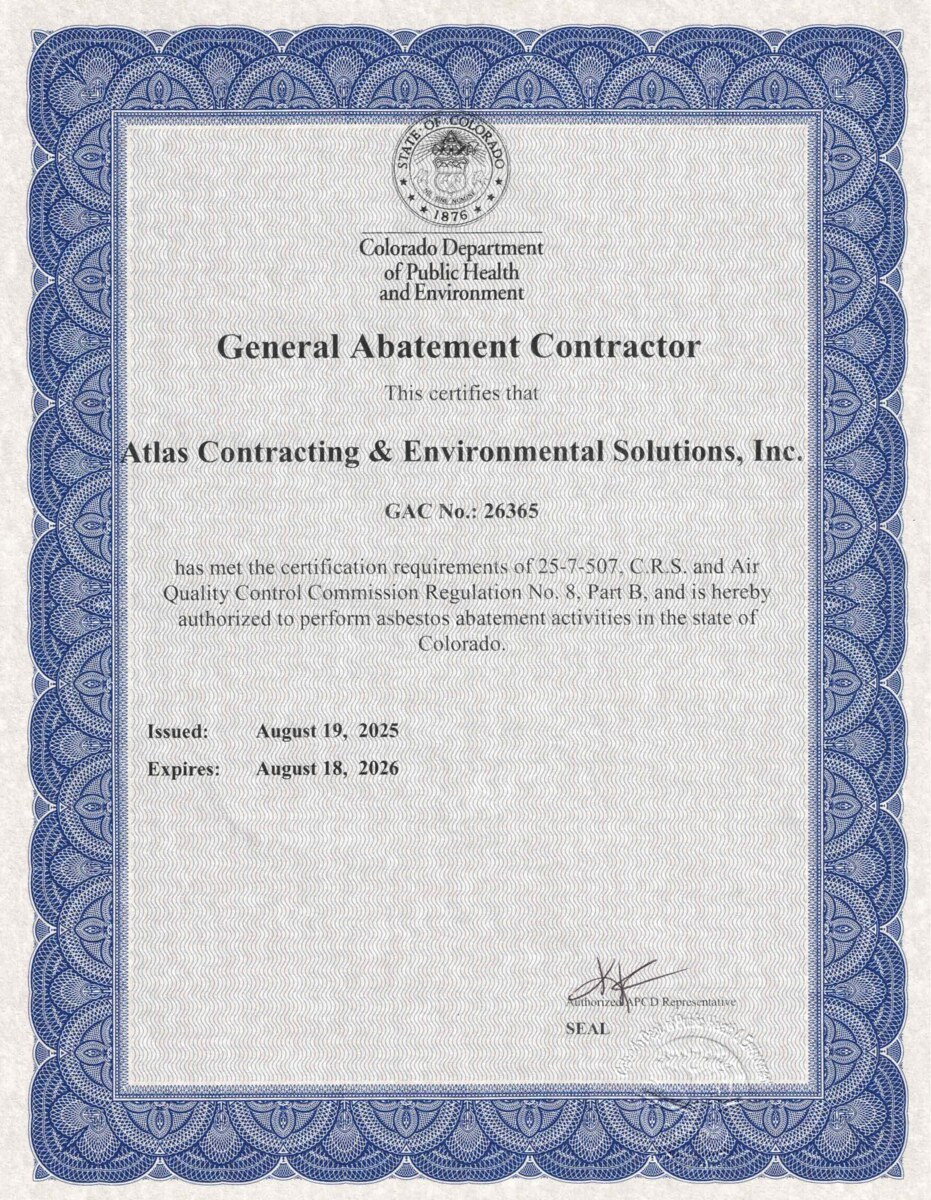
General Abatement Contractor
Colorado CDPHE — GAC No. 26365 · valid through Aug 2026
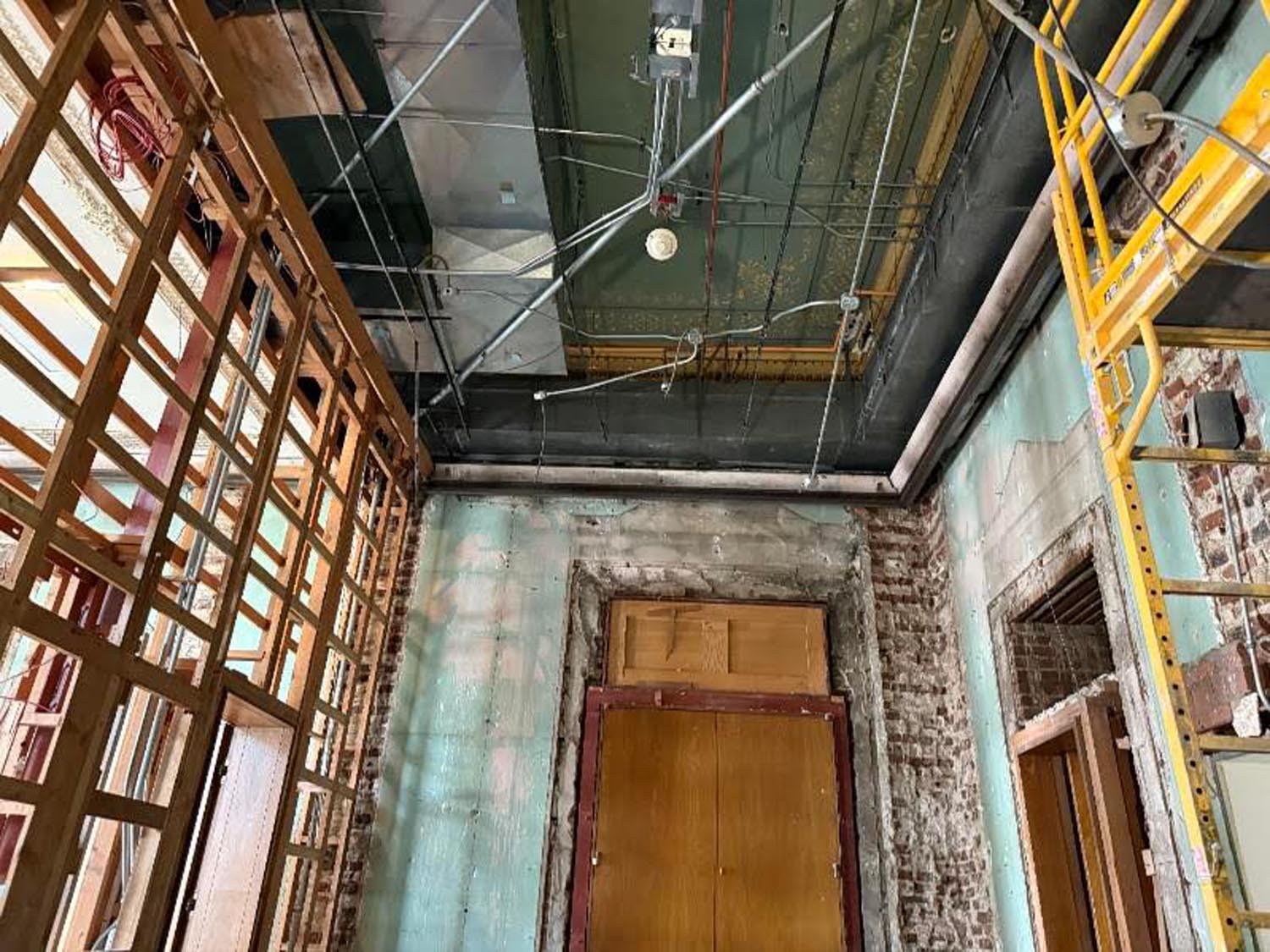
Professional interior demolition for renovations in Sheridan, CO. Specialized in selective wall removal, kitchen/bath gutting, and commercial strip-outs.





Field Documentation
Watch our certified teams execute compliant containment, extraction, and restoration work on active projects. This video demonstrates the professionalism and documentation rigor that backs every scope.
We work with all major insurance carriers















Certifications
These are the trust details that continue to matter in procurement reviews, environmental documentation, and regulated project handoffs.
General Abatement Contractor
Colorado CDPHE — GAC No. 26365 · valid through Aug 2026
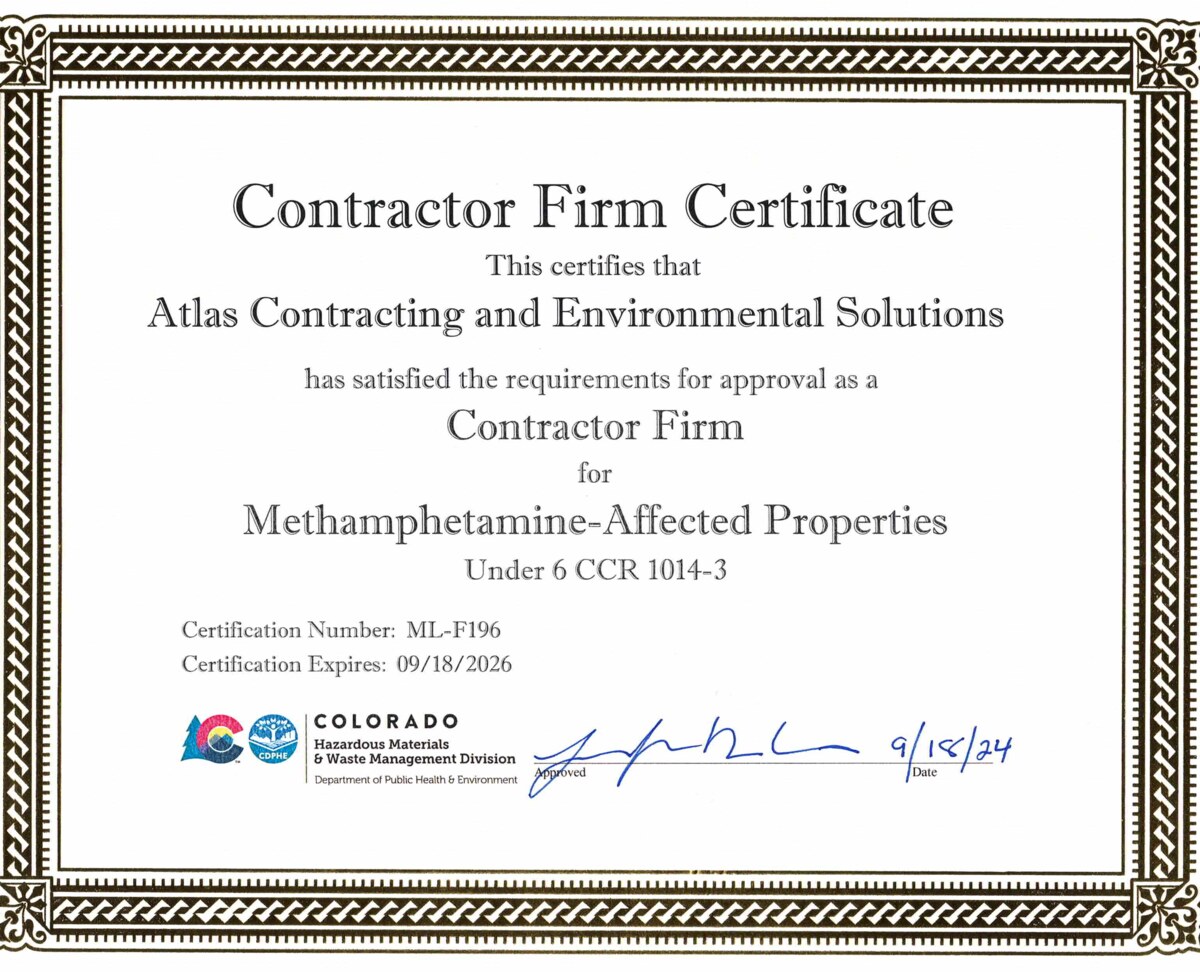
Meth Lab Cleanup
Colorado CDPHE — certified cleanup contractor
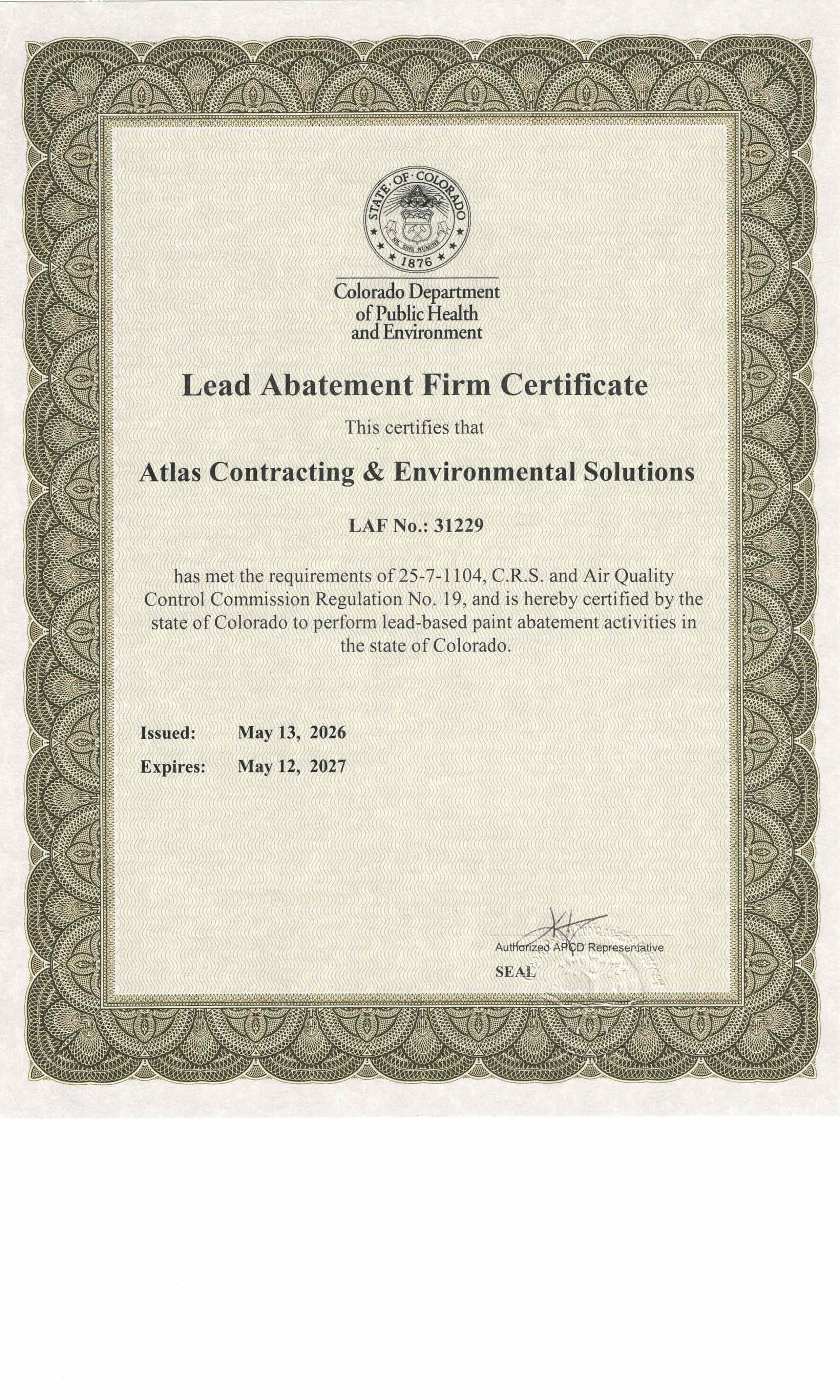
Lead Abatement Firm
Colorado CDPHE - LAF No. 31229 - valid through May 2027
Process
Inspect. Plan. Contain. Remediate. Verify. You get clear steps and documented work — every time.
Site walkthrough, sample collection, written scope of work.
Containment design, disposal pathway, regulator notifications.
Negative-air containment with documented entry/exit protocols.
Certified crews execute under continuous daily documentation.
Final cleanup, clearance testing, project packet for your records.
Trust Signals
DUNS
117517457
CAGE CODE
62FR3
EPA Lead-Safe Cert
NAT-F222667
Interior selective demolition demands a different mindset than swinging a sledgehammer at an empty building. When walls, ceilings, and flooring need to come out while the rest of the structure stays standing, every cut and every pull has to be deliberate. Atlas Contracting & Environmental Solutions brings that precision to every interior demolition project in Sheridan, CO and the surrounding Denver metro area.
Our interior demolition crews specialize in the surgical removal of non-structural partitions, drywall, plaster, flooring systems, cabinetry, and ceiling assemblies. When a project involves load-bearing walls, we coordinate with structural engineers before any work begins, installing temporary shoring systems to maintain structural integrity while the wall section is removed and replaced with an engineered beam or header.
Wall Removal
Surgical removal of non-structural partitions and load-bearing wall preparation with engineered shoring plans. Our crews use precision cutting tools to isolate wall sections, disconnect embedded utilities, and remove materials without transmitting vibration or impact to adjacent finishes. Every load-bearing removal is backed by a stamped structural engineering plan and permitted through the local building department.
Kitchen & Bath Gutting
Complete kitchen and bathroom gutting for residential remodeling projects throughout Sheridan and the Denver metro. We disconnect appliances, cap plumbing and gas lines, remove cabinetry, tear out countertops and backsplashes, strip flooring to the subfloor, and leave the space broom-clean and ready for your remodeling contractor. Most residential kitchen gut-outs are completed within a single day.
Commercial Strip-Outs
Commercial office strip-outs for tenant improvements and lease-end requirements. We work with property managers, building engineers, and general contractors to clear commercial spaces of all sizes — from single-suite tenant improvements to full-floor demolitions. After-hours and weekend scheduling is available to minimize disruption to neighboring businesses and building operations.
Targeted Removal
Flooring, ceiling, and cabinetry removal with minimal impact on surrounding areas. Whether you need VCT tile pulled from a commercial space, popcorn ceiling scraped from a residential living room, or built-in cabinetry removed without damaging adjacent trim, our crews apply protection protocols and controlled demolition techniques that keep the surrounding finishes intact.
Every interior demolition project starts with a detailed walkthrough where we identify structural elements, utility routing, hazardous materials, and protection requirements. We develop a scope of work that accounts for debris volumes, access logistics, and coordination with other trades on site. Our crews carry their own tools, protection materials, and containment supplies — we show up ready to work and leave the space ready for the next phase of your renovation.
HEPA Air Scrubbing
Implementation of HEPA air scrubbing and negative pressure containment to capture airborne particulates down to 0.3 microns. Our air filtration systems run continuously throughout the demolition process, cycling the air within the containment zone multiple times per hour. This is especially critical in occupied buildings where tenants, patients, or residents are present in adjacent spaces during the work.
Occupied Space Protection
Floor protection and plastic shielding for occupied residential or commercial spaces. We install Ram Board, reinforced poly sheeting, and zip-wall barriers to create a sealed envelope around the demolition zone. Path-of-travel protection covers every surface between the work area and the debris exit point, preventing dust migration and surface damage throughout the building.
Quiet Demolition
Quiet-demo options for noise-sensitive environments like medical offices, clinics, schools, and professional office suites. We use hand tools, electric reciprocating saws, and controlled cutting methods instead of pneumatic hammers and impact tools when noise restrictions apply. Scheduling can be coordinated around business hours, patient appointments, or school schedules to further reduce disruption.
Hazmat Identification
Lead and asbestos material identification before any interior surfaces are disturbed. Colorado Regulation 8 requires asbestos inspections before renovation or demolition in pre-1981 buildings. Atlas Contracting holds EPA Lead-Safe Certification (No. NAT-F222667) and coordinates certified inspections and in-house abatement before demolition proceeds. We never skip this step — it protects your project, your building occupants, and our crew.
Dust control and containment are not afterthoughts in our demolition process — they are built into the project plan from day one. Before any demolition begins, our site supervisor establishes containment zones, installs air filtration equipment, and verifies negative pressure readings. We monitor air quality throughout the project and adjust containment measures as the demolition progresses through different areas of the building. When the demolition is complete, we perform a final cleaning that includes HEPA vacuuming all surfaces within the containment zone before barriers are removed.
Interior demolition in occupied buildings presents unique challenges that require more than just careful swinging. When tenants, patients, customers, or residents are present in adjacent spaces, dust containment, noise management, and air quality become as important as the demolition work itself. Atlas Contracting & Environmental Solutions has built its interior demolition practice around these requirements from the ground up.
Our containment protocols meet or exceed OSHA and EPA standards for indoor demolition work. We carry our own HEPA air scrubbers, negative air machines, zip-wall systems, and floor protection materials to every job site. For projects involving hazardous materials, we integrate testing and abatement into the demolition schedule so there are no delays waiting for third-party contractors.
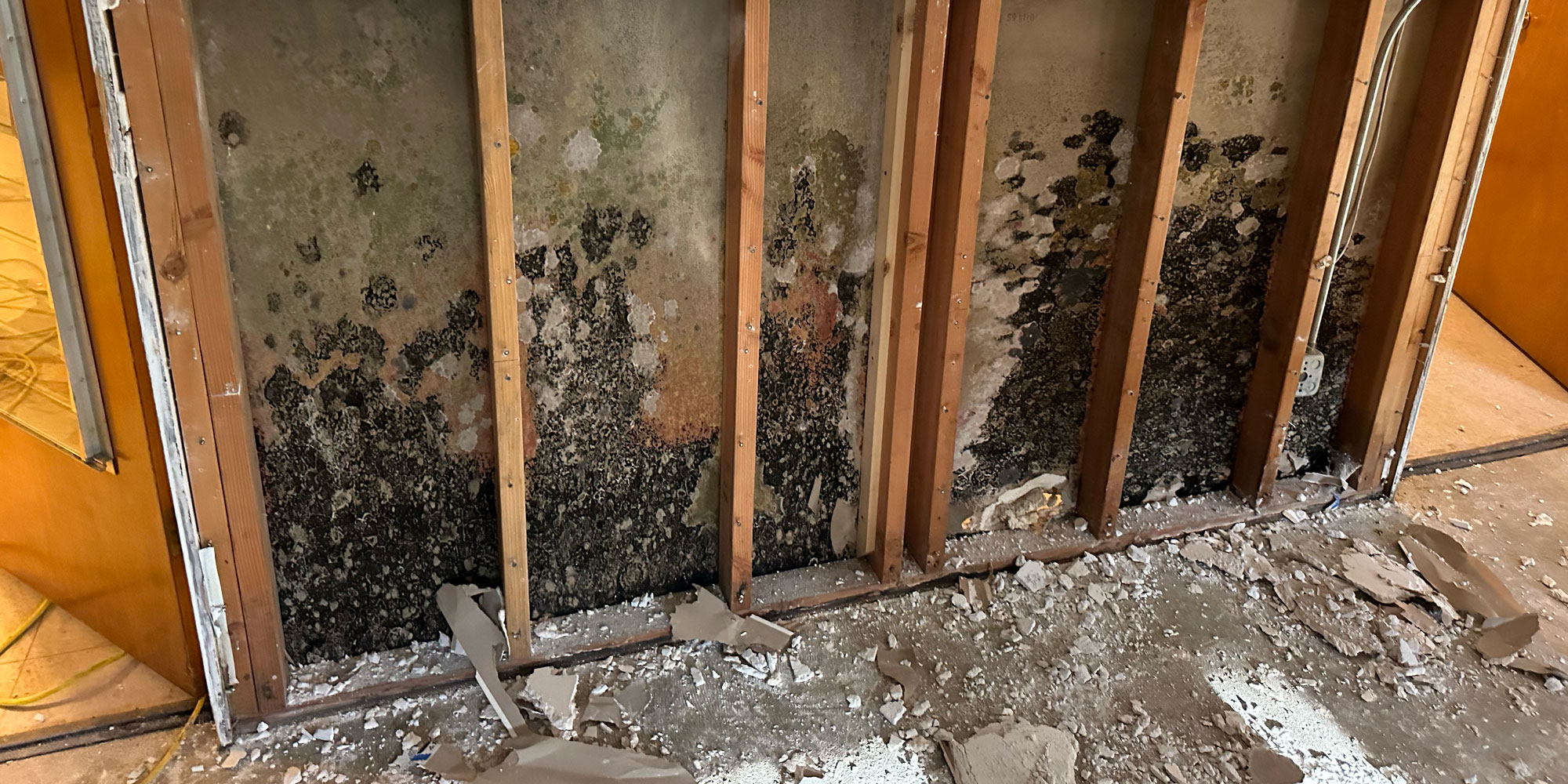
Interior demolition is detail work disguised as heavy labor. The difference between a clean renovation-ready space and a project setback often comes down to how the demolition contractor approaches protection, sequencing, and communication.
Pre-Demo
Walkthrough & Planning
Every project begins with an on-site walkthrough. We identify structural elements, utility routing, hazardous material risks, protection requirements, and debris logistics before providing a detailed scope and quote.
Execution
Controlled Demolition
Our crews follow the project plan step by step — setting up containment, protecting surfaces, disconnecting utilities, and removing materials in a controlled sequence that prevents damage to adjacent areas and keeps the project on schedule.
Handoff
Clean & Ready
When demolition is complete, we remove containment barriers, HEPA-vacuum all surfaces, haul debris, and leave the space broom-clean and ready for the next trade. No punchlist items, no callbacks, no surprises.
Recent selective demolition and strip-out work across Sheridan and the Denver metro area.
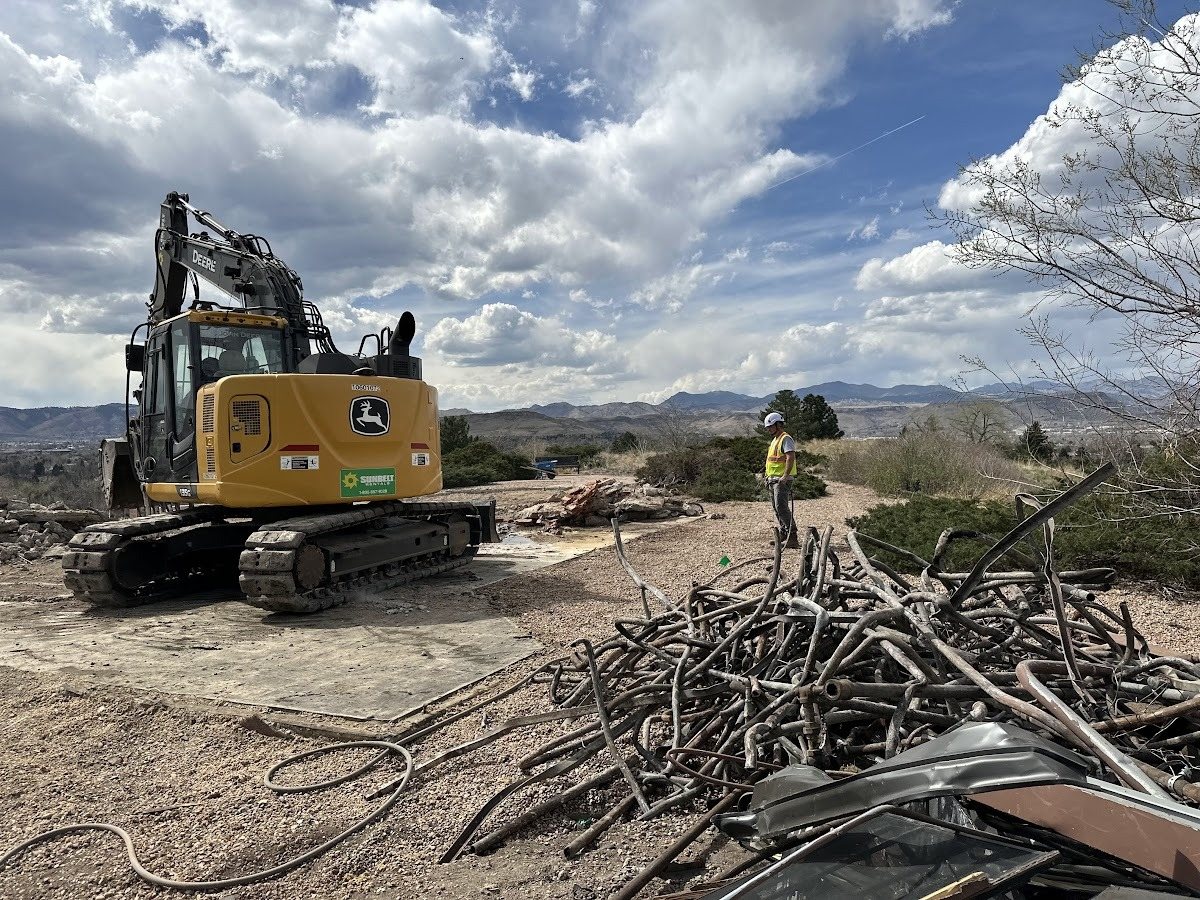
Excavation equipment and staged rebar during an exterior structural demolition and site clearing project.
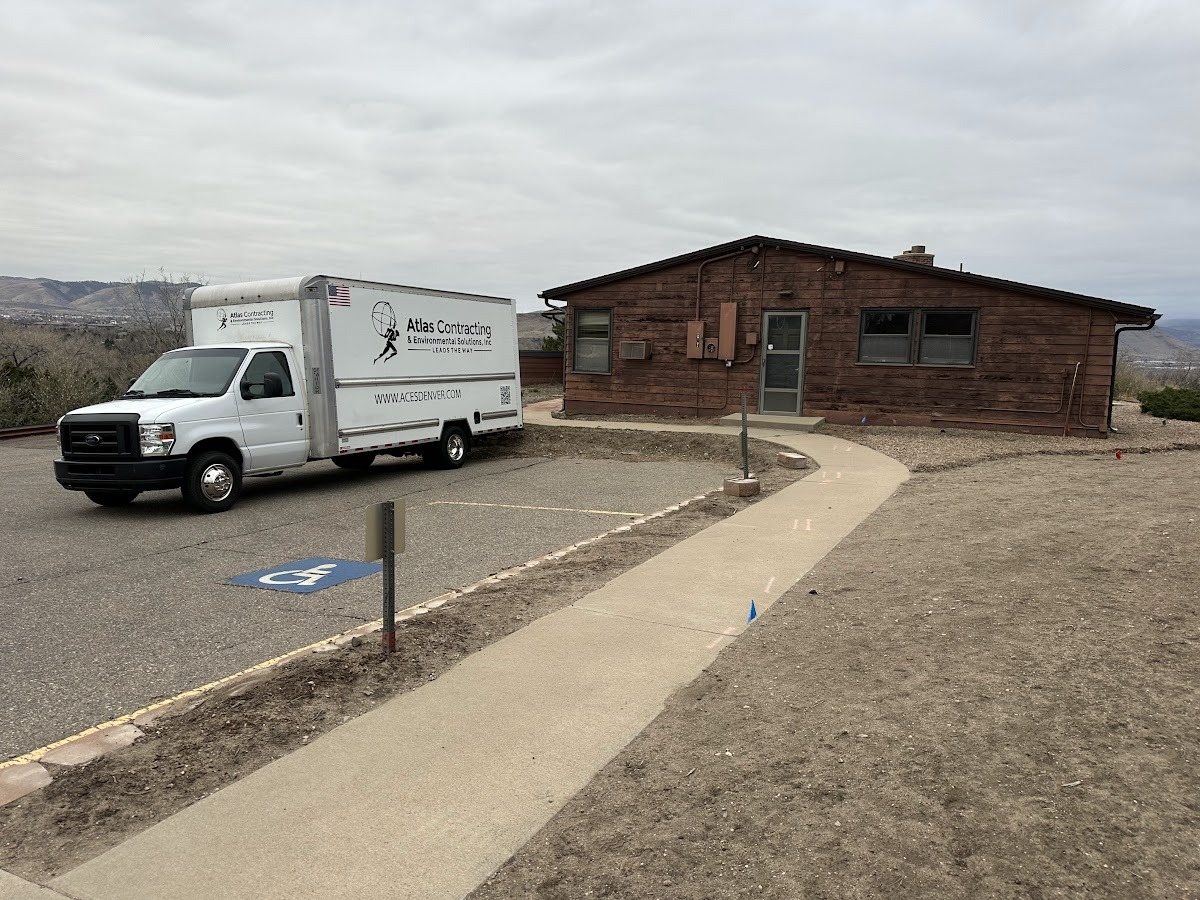
Atlas Contracting truck positioned at a commercial demolition site before exterior structural work begins.
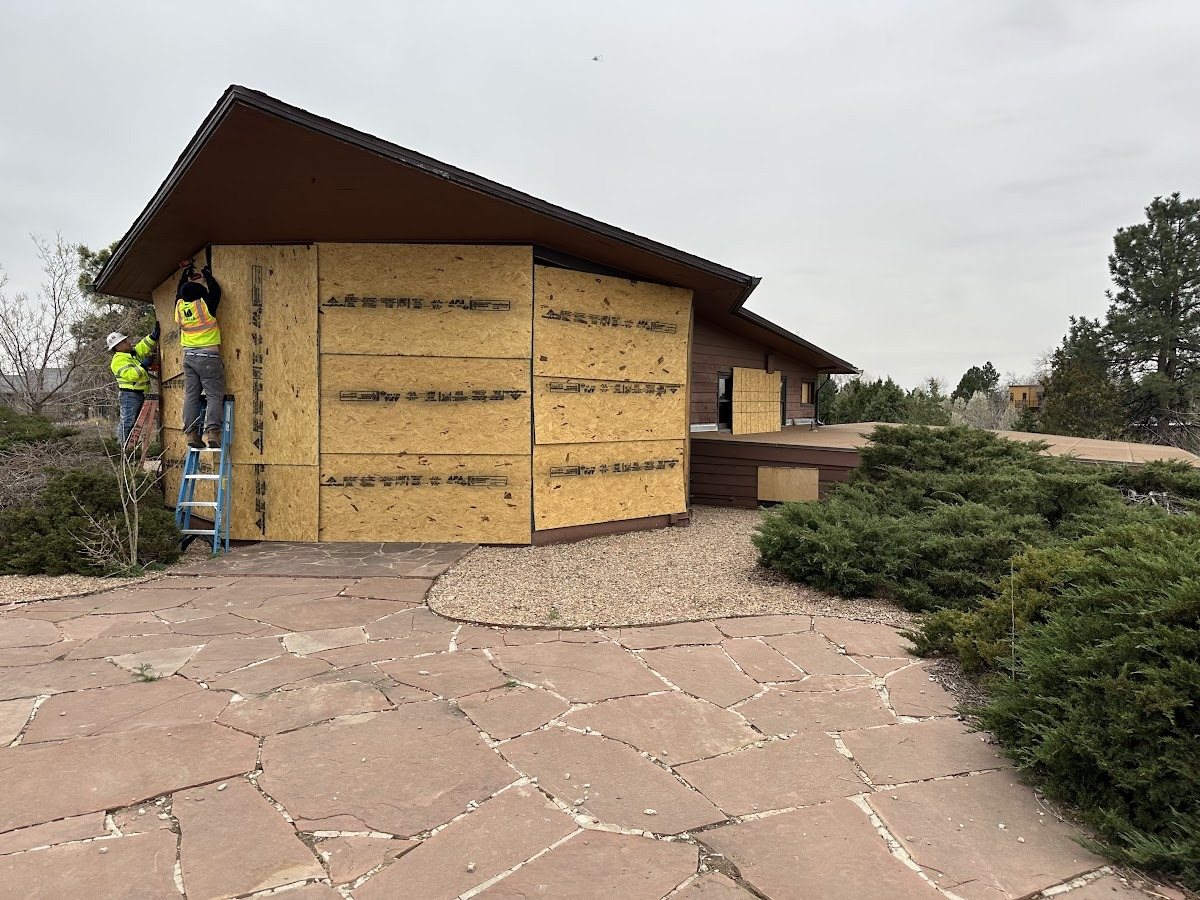
A boarded commercial structure prepared for controlled demolition and site safety work.
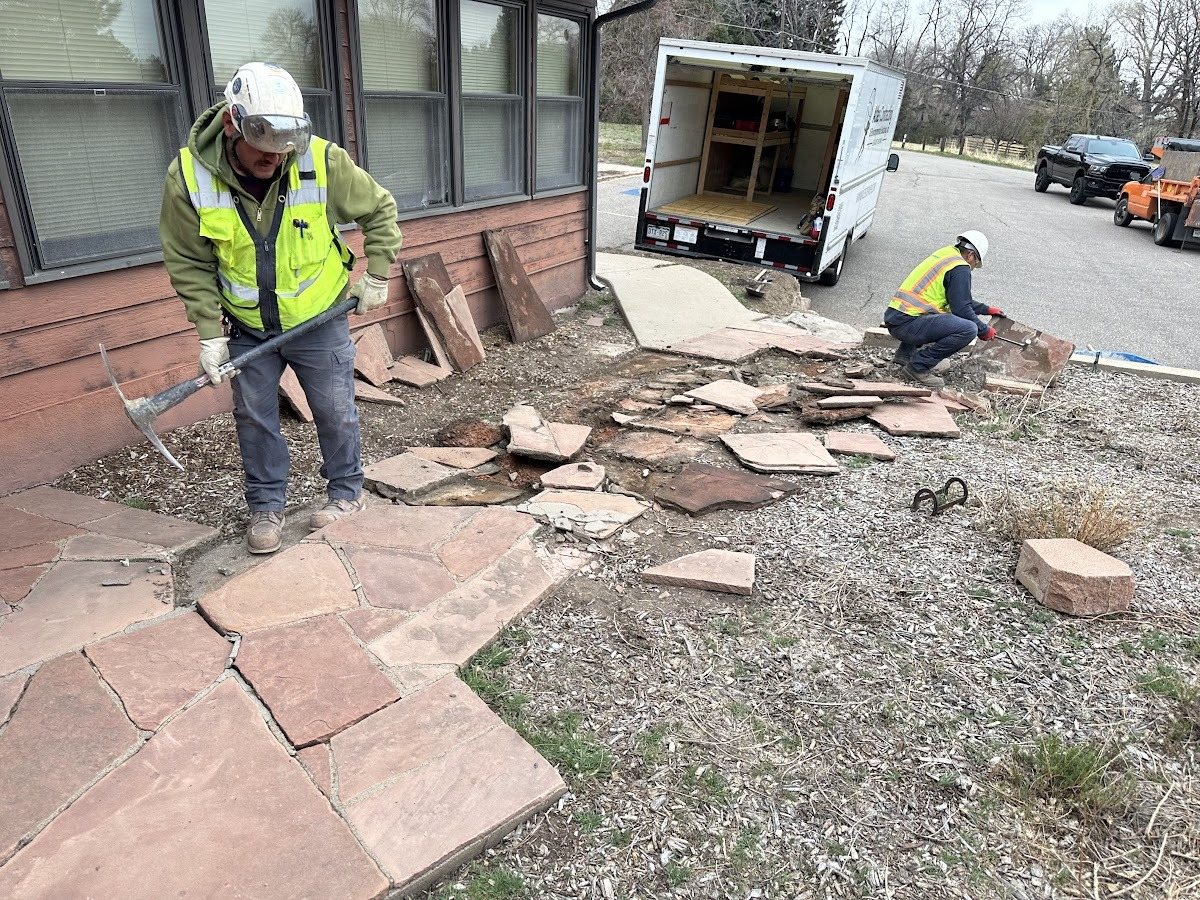
Crew members removing exterior hardscape materials during structural demolition preparation.
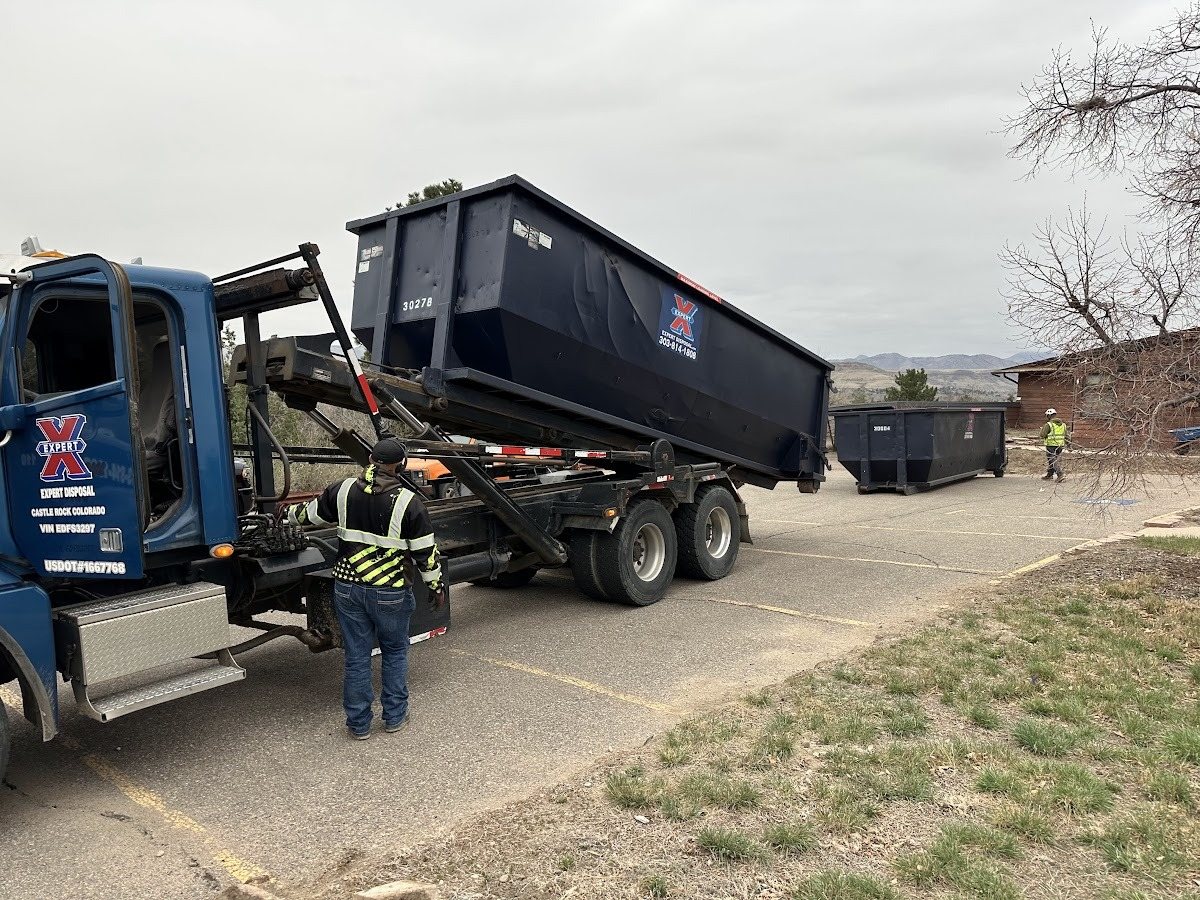
Roll-off container and support truck staged for debris handling during an active demolition project.
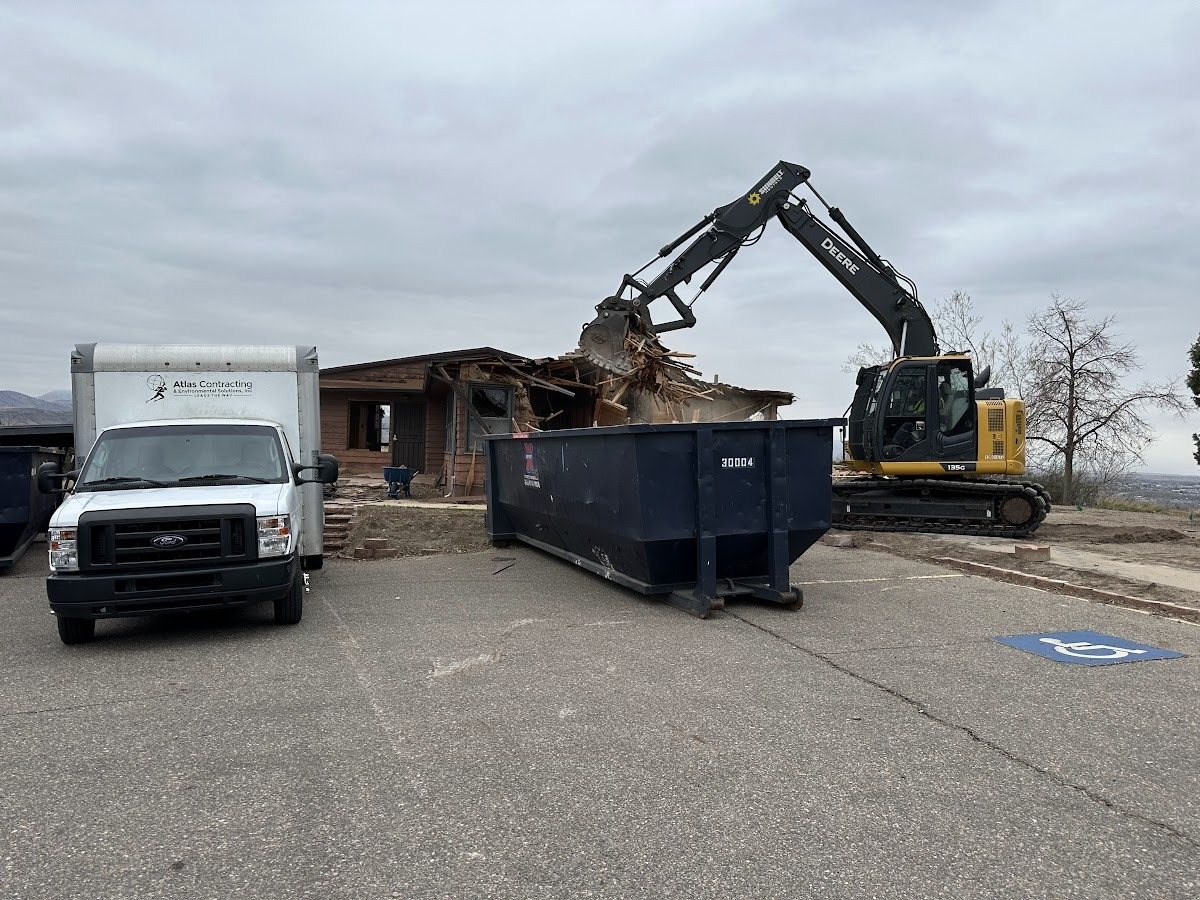
Excavator working alongside roll-off containers as the structure is dismantled under controlled site conditions.
Client Feedback
Homeowners, contractors, and property managers trust Atlas for interior demolition.
Brian Haugh
2 months ago
Great crew and fast response
georgina Cordero
7 months ago
Steve and his crew, along with Cassandra were amazing. Steve put me at ease with my situation, he took care of everything. They showed up and worked and did an excellent job.
theresa haskin
11 months ago
We had a roof leak in our kitchen caused by a roofer. Rob came out right away and assessed the issue and worked with myself and the roofer. That day he had made a plan for how the job would go, and began setting up equipment to keep my family safe. He walked me through every step of how the job would go and kept my husband and I informed throughout the process. He made sure that the toddler and newborn in my home would be safe throughout the entire demo process. I cannot recommend this company enough.
Doug
11 months ago
This is an honest place. There are so many disreputable companies out there in this industry, but Atlas is not one of them. Quick work, proper abatement to prevent contamination, and friendly service all come with the fairly priced Atlas contract. Nobody wants to have this work done because it usually means things have gone sideways in your home. That said, if you do, call Atlas Contracting and Environmental Solutions; the company is ACES!!!
Jacob Martin
11 months ago
Wonderful experience working with Steve and his knowledgeable and skilled team. 10/10
Rebecca Love
1 year ago
Fast to set up, done promptly and tidy afterwards. Thanks
Interior selective demolition is often just one part of a larger renovation or remediation project. Atlas Contracting offers a full range of demolition and environmental services to keep your project moving under a single contractor.
Demolition
Structural Demolition
Full structural teardowns for buildings, foundations, and heavy assemblies requiring engineered demolition plans.
Demolition
Concrete Removal
Slab sawing, breaking, and removal for driveways, foundations, sidewalks, and interior concrete floors.
Environmental
Asbestos Abatement
Certified asbestos testing, containment, and removal for pre-1981 buildings under Colorado Regulation 8.
Common questions about selective demolition, dust control, and interior renovation prep in Sheridan, CO.
Selective demolition is the controlled, targeted removal of specific building components while preserving the structural integrity of the remaining structure. Unlike total demolition, selective demolition focuses on removing only the materials and elements that need to go — such as interior walls, flooring, cabinetry, or mechanical systems — without damaging adjacent finishes, structural members, or utilities that will remain in place. This approach is essential for renovation and remodeling projects where the building shell stays intact. At Atlas Contracting & Environmental Solutions, our crews use precision cutting tools, careful hand-demolition techniques, and engineered shoring plans to ensure that every selective demolition project in Sheridan, CO protects what matters while clearing the way for your renovation.
Interior demolition costs in the Sheridan, CO area typically range from $2 to $8 per square foot depending on several factors. The type of material being removed plays a significant role — drywall removal is less labor-intensive than plaster and lath, which requires more careful handling. Accessibility affects pricing as well; upper-floor demolition in multi-story buildings or tight commercial spaces increases labor time and debris hauling costs. Debris disposal logistics, including dumpster placement, hauling distance, and landfill tipping fees, also factor into the final number. Projects involving hazardous materials like asbestos or lead paint require additional testing, containment, and disposal protocols that add to the cost. We provide detailed square-foot quotes after a walkthrough so you know exactly what to expect.
Dust control is one of the most critical aspects of interior demolition, especially in occupied buildings. Our team deploys HEPA-filtered air scrubbers that capture airborne particulates down to 0.3 microns. We construct plastic zip-wall containment barriers to isolate the demolition zone from the rest of the building, and we maintain negative air pressure within the work area so that dust migrates toward filtration units rather than into occupied spaces. Floor protection using Ram Board or heavy-duty poly sheeting prevents dust from embedding in finished surfaces. For sensitive environments like medical offices, clinics, or schools, we implement enhanced containment protocols that meet or exceed OSHA and EPA standards for indoor air quality during construction activities.
Yes, we remove load-bearing walls as part of interior renovation projects throughout Sheridan and the greater Denver metro area. Load-bearing wall removal requires careful engineering coordination before any work begins. We work with licensed structural engineers who design temporary shoring plans and specify the permanent beam or header that will carry the load once the wall is removed. Our crew installs temporary supports, carefully removes the wall section, and then installs the engineered beam according to the structural plans. The process typically takes one to three days depending on the span and load requirements. All load-bearing wall removals are performed under permit with inspections to ensure compliance with building codes.
In Colorado, Regulation 8 requires that any renovation or demolition project disturbing more than a threshold amount of material in buildings constructed before 1981 must include an asbestos inspection before work begins. Bathrooms in older homes commonly contain asbestos in floor tiles, tile mastic, joint compound, plaster, and pipe insulation. Even if your project seems small, disturbing asbestos-containing materials without proper testing and abatement can result in significant fines and health hazards. Atlas Contracting holds EPA Lead-Safe Certification (No. NAT-F222667) and our team coordinates asbestos testing through certified inspectors before any interior surfaces are disturbed. If asbestos is found, we handle abatement in-house before proceeding with demolition.
A complete kitchen gut-out typically takes one to three days depending on the size of the kitchen and the scope of removal. The process includes disconnecting and removing appliances, pulling out upper and lower cabinetry, tearing out countertops, removing flooring down to the subfloor, and stripping wall finishes as needed. We also cap plumbing lines, disconnect electrical circuits at the panel, and cap gas lines if applicable. For standard residential kitchens, most gut-outs are completed within a single day. Larger kitchens, commercial kitchens, or projects involving hazardous material testing may extend to two or three days. We coordinate timing with your general contractor or remodeler so the space is ready for the next phase of construction.
Protecting your existing finishes is a top priority during any interior demolition project. We use Ram Board, heavy-duty cardboard sheeting, and reinforced poly protection along every path of travel and in adjacent rooms. Debris is loaded into wheeled carts or buckets rather than dragged across floors, and we establish designated staging areas for material handling. For hardwood, tile, or polished concrete floors that must remain intact, we apply additional layered protection and use rubber-wheeled equipment. Our crews are trained to identify vulnerable surfaces before work begins and to adjust their demolition methods to minimize vibration, impact, and contact with protected areas. If any incidental damage occurs, we address it before leaving the job site.
Yes, commercial office strip-outs are one of our core interior demolition services in Sheridan and across the Denver metro area. We handle tenant improvement demolition, lease-end strip-outs, and complete interior gut-outs for commercial spaces of all sizes. Our crews are experienced with after-hours and weekend scheduling to minimize disruption to neighboring tenants and building operations. We coordinate with property managers and building engineers to protect shared systems like HVAC, fire suppression, and electrical distribution during the strip-out process. Whether you need a single suite cleared for a new tenant or a full-floor demolition for a major renovation, we deliver fast turnaround with clean, broom-swept results that meet lease requirements and building standards.
Still have questions?
We're here to help you find the answers.
Conveniently located for Sheridan, CO customers
Mon-Fri 8AM-5PM, 24/7 emergency response available after hours
Emergency dispatch is available after hours for urgent loss events.
Schedule a walkthrough with our team. We will assess your space, identify any hazardous material concerns, and provide a detailed square-foot quote — no obligation, no surprises.
Atlas Contracting & Environmental Solutions coordinates inspections, containment planning, documentation, and field communication for property owners, facilities teams, and general contractors across Interior Selective Demolition. That means faster scheduling, cleaner handoffs between trades, and fewer surprises once work begins. We document site conditions carefully, outline the sequence of work before crews mobilize, and keep the project tied to one clear contact path through /contact-us or (303) 241-1938. Instead of treating field work as an isolated crew dispatch, Atlas builds the project around a practical sequence: first stabilize the immediate risk, then document conditions, then coordinate the next trade or clearance requirement so the site never stalls because one handoff was missed.
On projects involving environmental response, the difference is usually in the coordination detail rather than the sales language. The teams that keep schedules intact are the teams that isolate unaffected areas early, account for occupancy concerns before equipment arrives, maintain a clean record of moisture readings or compliance observations, and keep owners informed about what happens next. Atlas uses that structure on residential losses, public-sector work, and commercial projects because the goal is the same in each case: move the site from uncertainty to an orderly plan with the fewest possible surprises.
For owners in Interior Selective Demolition, that approach matters because delays rarely stay isolated. A missed containment step can expand demolition scope. A weak documentation trail can slow an insurance file or a regulator review. An unclear sequencing plan can leave restoration contractors or tenants waiting on information that should have been established on day one. Atlas keeps those dependencies visible, confirms responsibilities before crews leave site, and makes sure every phase connects cleanly to the next one.
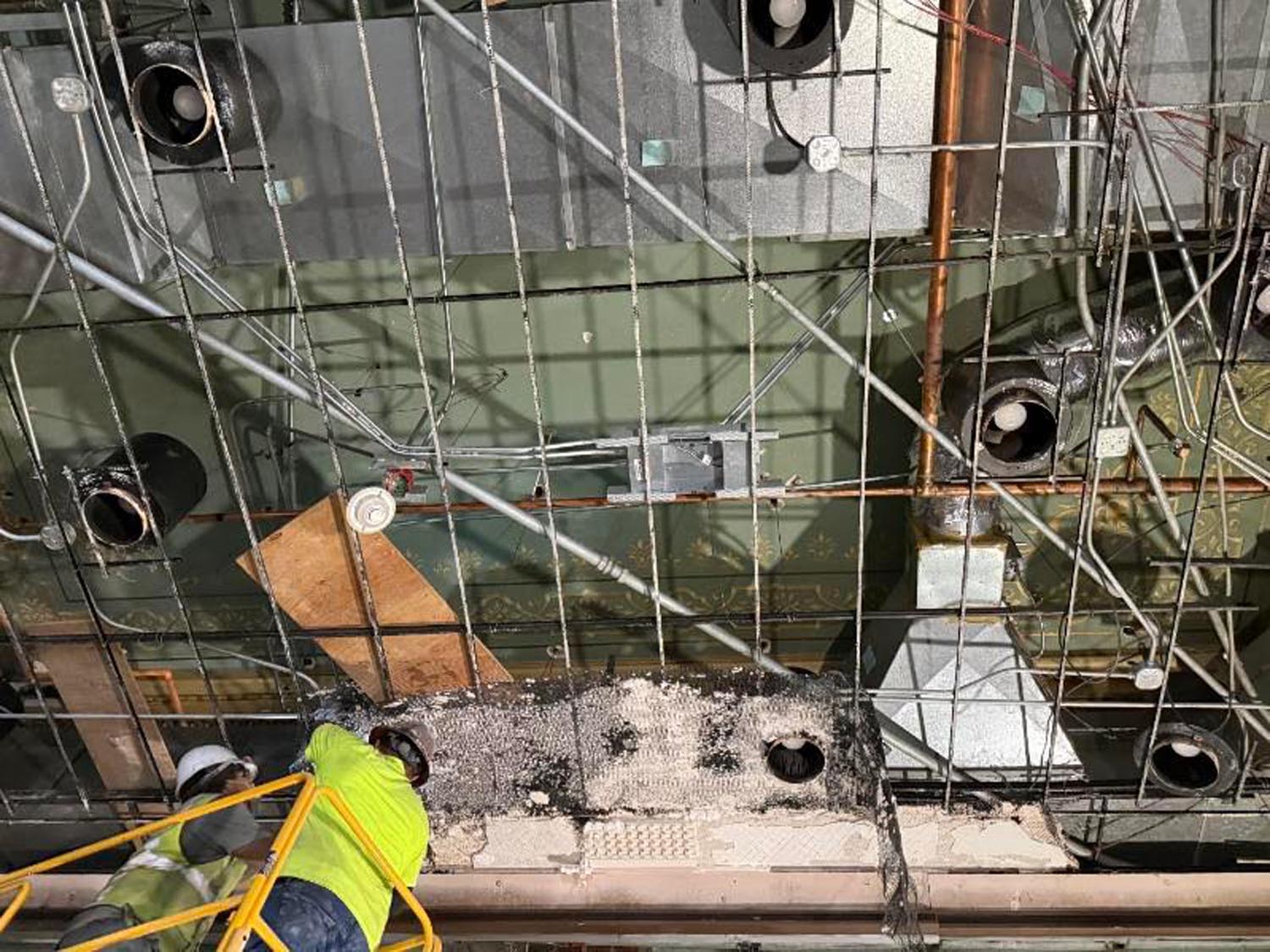
Atlas approaches documentation as part of field execution, not as an administrative afterthought. Photo records, material observations, equipment logs, and site notes are collected while crews are actively working so property owners, adjusters, facilities teams, and follow-on contractors are looking at the same factual record. That reduces disagreement about scope and makes it easier to justify why a contained work area, a selective demolition decision, or a drying continuation was necessary. It also keeps the project from becoming dependent on memory after the fact, which is where many jobs begin to drift.
Site protection is handled with the same mindset. Atlas is not interested in solving one problem by creating three secondary ones. We account for occupant movement, adjacent finishes, equipment staging, dust or humidity migration, and the order in which materials are removed or preserved. When the work is complete for the day, the site should have a defensible status: contained where it needs to be contained, cleaned where it needs to be cleaned, and clearly documented so the next crew or decision-maker understands the current condition without guesswork.
Clear next steps are part of the deliverable. Owners should know whether they are moving into clearance, structural drying continuation, follow-on restoration, selective demolition, insurance review, or a final closeout phase. That forward visibility is especially important on Colorado projects with weather exposure, tenant turnover, public-sector oversight, or tightly sequenced construction schedules. Atlas keeps the conversation grounded in what is actually required on site, what has already been completed, and what is needed to move the job forward without reopening finished work.
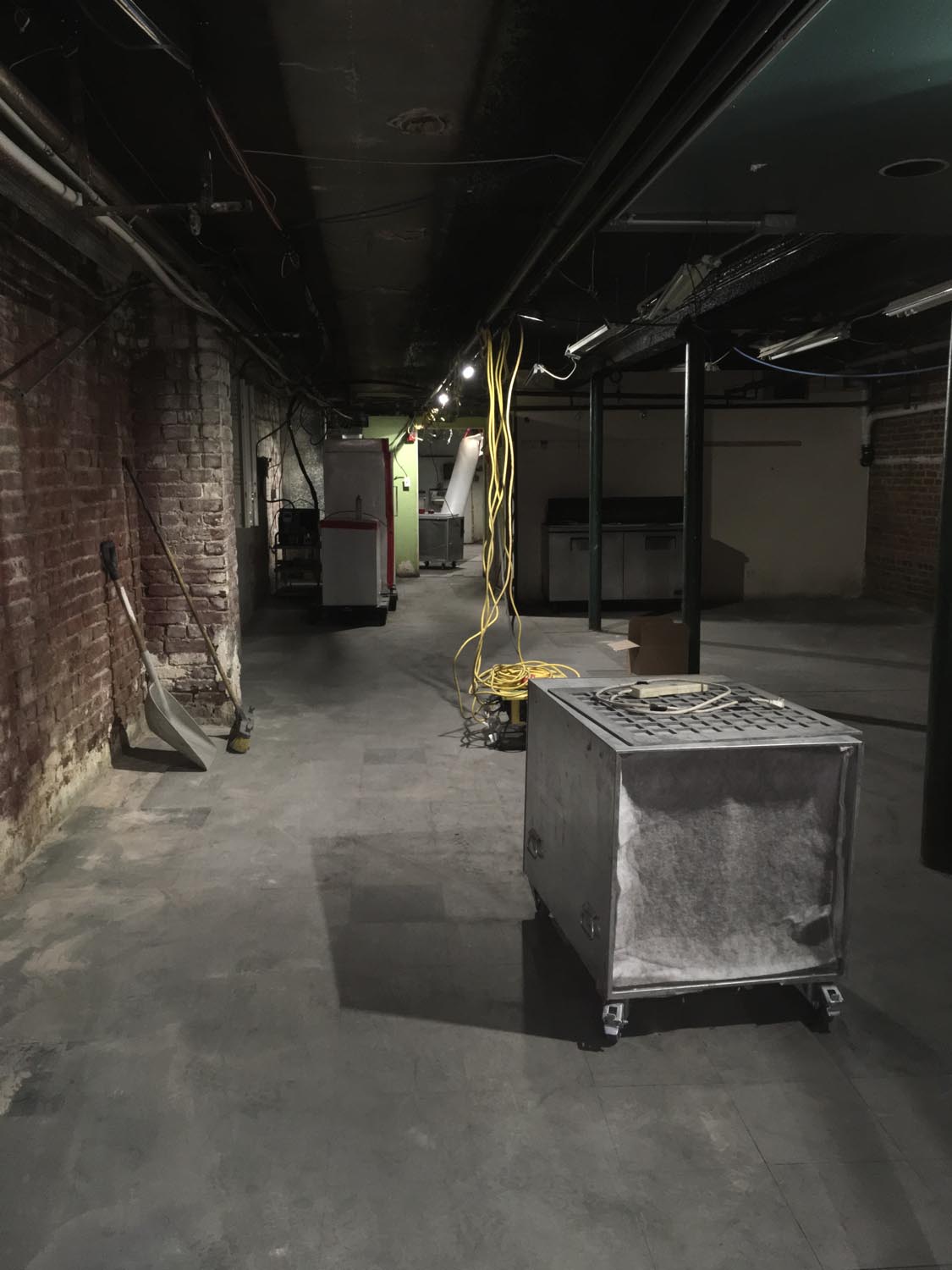
Project updates are framed around site status, not vague progress language. Owners know what changed, what remains open, and what Atlas needs from them to keep work moving.
Containment, material protection, and sequencing are used to keep unaffected areas from becoming part of the job. That protects both schedule and budget.
Every phase should end with a clear record of what was completed and what the next responsible party needs. That is how Atlas reduces rework and stalled handoffs.
Why Atlas
Single-source environmental contractor with regulator-grade documentation, fast mobilization, and a Service Disabled Veteran Owned Business commitment to doing the work right the first time.
Atlas operates with the discipline, accountability, and follow-through you expect from a veteran-led organization.
Colorado CDPHE General Abatement Contractor (GAC No. 26365), certified meth lab cleanup contractor, and EPA Lead-Safe certified — credentials owners verify first.
Loss events do not wait for business hours. Crews mobilize fast across the Front Range to stabilize the property and start the documented scope immediately.
Photographed scope, daily progress logs, third-party clearance where required, and a project packet your insurer or inspector can verify.
Abatement, demolition, water and fire restoration, and reconstruction coordination — handled by one accountable contractor instead of three vendors.
We work with every major Colorado carrier and communicate directly with adjusters, GCs, and facility managers so the project moves without friction.
Insurance Partners
Atlas works with every major insurance carrier in Colorado to streamline your abatement, remediation, and restoration claims. We document scope, photograph progress, and coordinate directly with adjusters so the loss event moves to closure without bouncing between vendors.
15+
Major carriers worked
24/7
Adjuster coordination
Carriers we coordinate with
Don't see your carrier? We coordinate with most additional carriers on request — call to confirm.
10% off every Atlas project, every time.
Atlas extends a standing 10% discount to active and retired military, veterans, police, fire, and EMS personnel. As a Service Disabled Veteran Owned Business, supporting those who serve is part of our charter.
Mention the discount when you contact us. Cannot be combined with other promotional offers.
Discount
10%
Off
Areas We Serve
Atlas mobilizes across the Front Range. Whether asbestos, lead, meth, or storm/water response, our certified crews arrive quickly to minimize risk and restore your property safely.