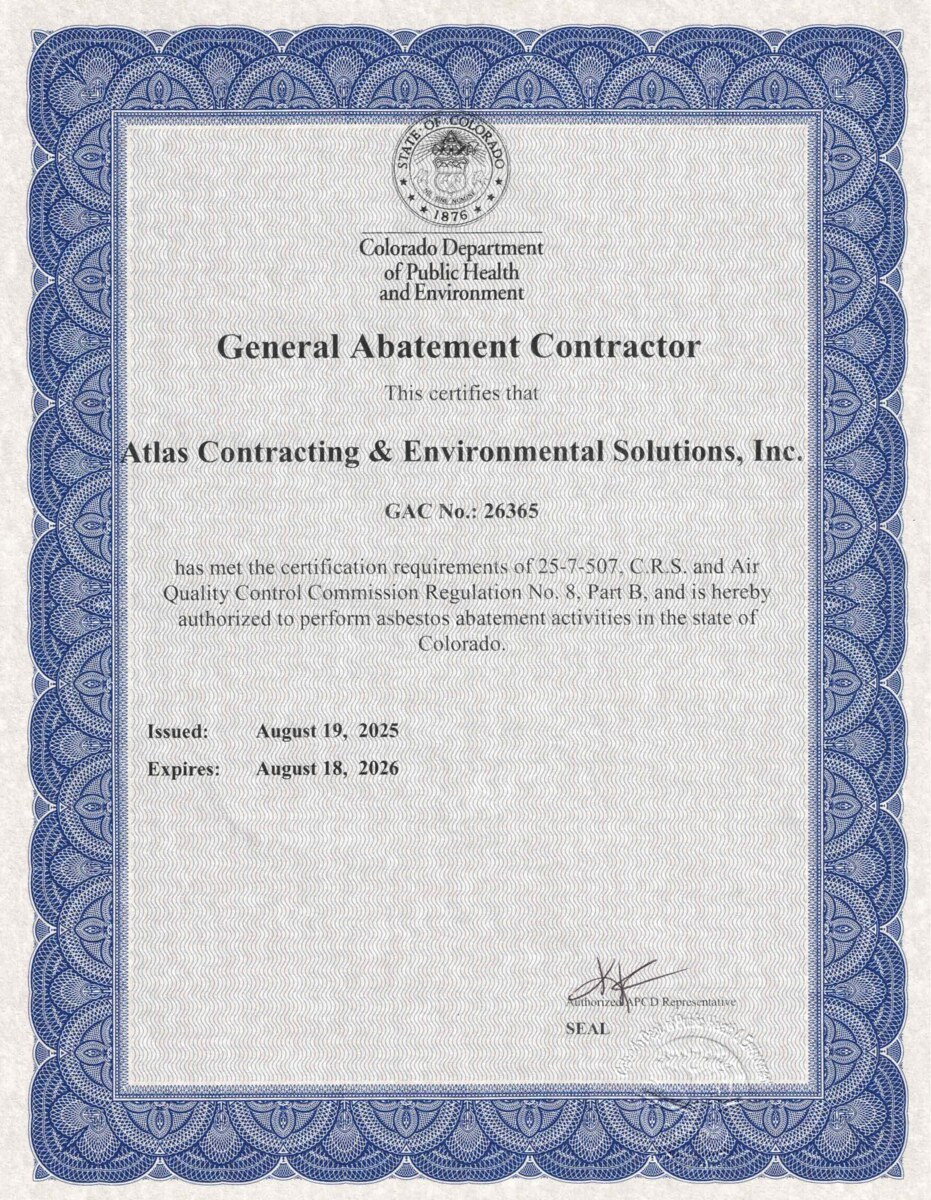
General Abatement Contractor
Colorado CDPHE — GAC No. 26365 · valid through Aug 2026
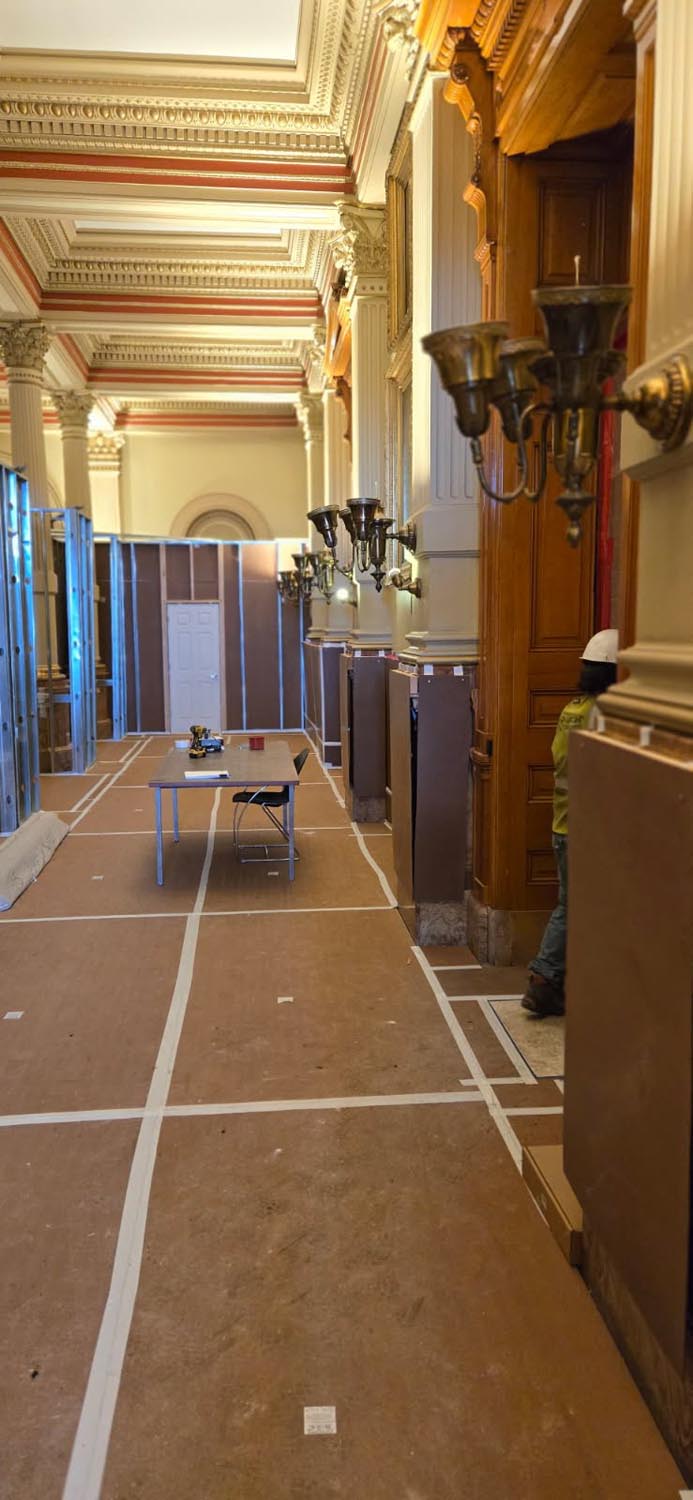
Certified mold remediation and removal services in Sheridan. We handle black mold, attic mold, and crawl space issues with regulatory-certified safety.





Field Documentation
Watch our certified teams execute compliant containment, extraction, and restoration work on active projects. This video demonstrates the professionalism and documentation rigor that backs every scope.
We work with all major insurance carriers















Certifications
These are the trust details that continue to matter in procurement reviews, environmental documentation, and regulated project handoffs.
General Abatement Contractor
Colorado CDPHE — GAC No. 26365 · valid through Aug 2026
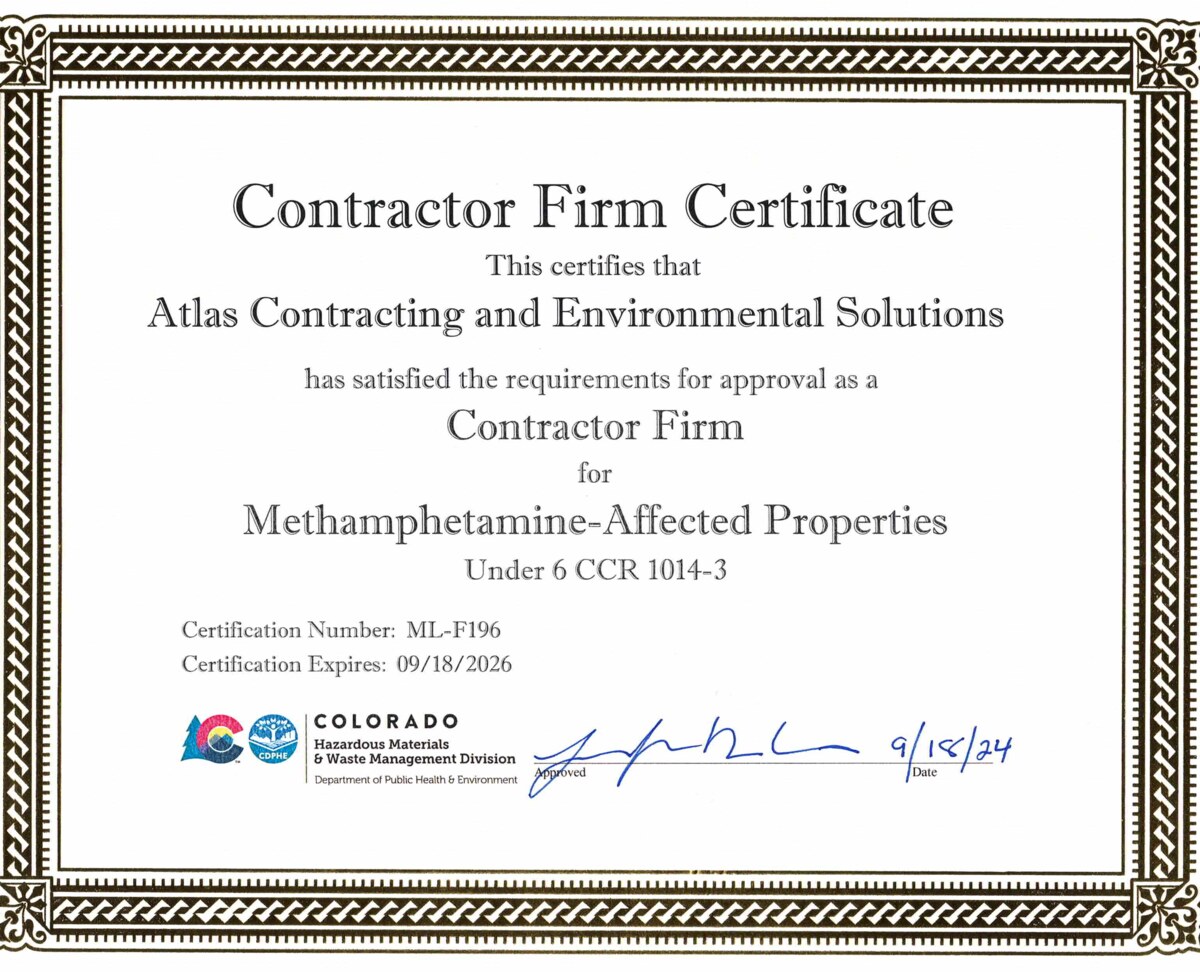
Meth Lab Cleanup
Colorado CDPHE — certified cleanup contractor
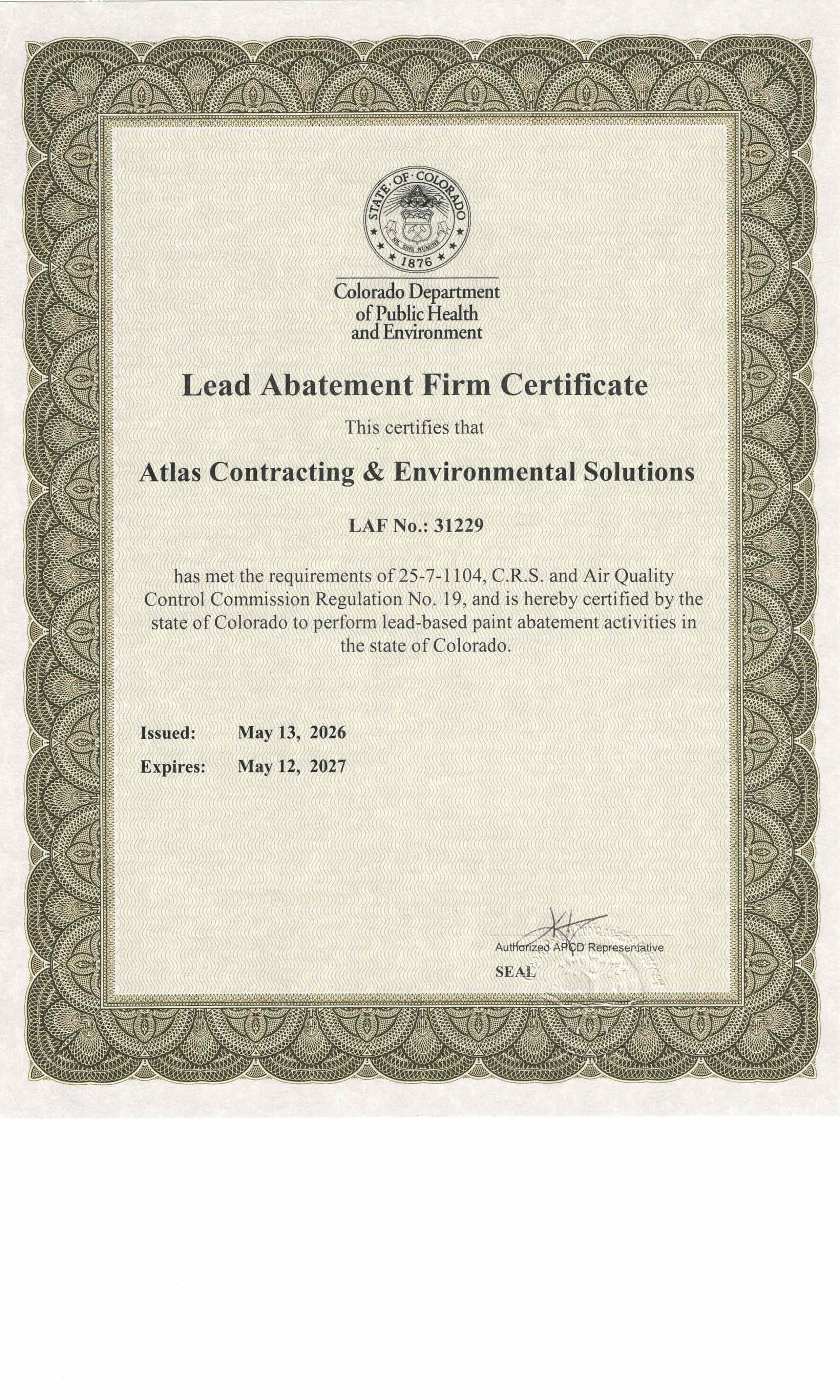
Lead Abatement Firm
Colorado CDPHE - LAF No. 31229 - valid through May 2027
Process
Inspect. Plan. Contain. Remediate. Verify. You get clear steps and documented work — every time.
Site walkthrough, sample collection, written scope of work.
Containment design, disposal pathway, regulator notifications.
Negative-air containment with documented entry/exit protocols.
Certified crews execute under continuous daily documentation.
Final cleanup, clearance testing, project packet for your records.
Trust Signals
Atlas ACES holds federal and state environmental certifications that guarantee compliant, safe mold remediation for your home or commercial property.
EPA Lead-Safe Certification
NAT-F222667
DUNS Number
117517457
CAGE Code
62FR3
Mold Mitigation
Atlas ACES delivers full-scope mold remediation built on containment science, industrial-grade filtration, and root-cause moisture elimination. Every project follows CDPHE environmental guidelines and IICRC S520 standards so that the remediation holds long after our crew leaves the site.
Before any material is disturbed, our technicians construct a sealed containment chamber around the affected area using 6-mil poly sheeting and zippered entry points. Negative air pressure machines fitted with HEPA filters run continuously inside the chamber, pulling contaminated air through filtration before it can escape into clean zones. This containment-first methodology prevents cross-contamination and protects occupants who may remain in other areas of the home during the project. Every seam is taped and tested to verify differential pressure before remediation begins.
01
Our HEPA air scrubbers capture 99.97% of airborne particles down to 0.3 microns, including mold spores, mycotoxin fragments, and dust. Multiple units run inside and outside containment to maintain clean-air pathways throughout the structure. Air quality is monitored with particle counters so filtration performance is verified in real time, not assumed.
02
Structural wood members like joists, trusses, and studs are treated with wire brushing and media blasting to remove embedded mold growth from the wood grain. Following mechanical cleaning, surfaces are HEPA-vacuumed to collect loosened spores and debris. This two-stage approach reaches colonization that chemical sprays alone cannot penetrate, restoring the structural member without requiring replacement.
03
Mold does not appear without a moisture source. Our inspectors use thermal imaging cameras and pin-type moisture meters to trace water intrusion paths—roof leaks, condensation on cold surfaces, plumbing failures, rising damp from slab edges, and inadequate bathroom or dryer exhaust venting. We document every moisture pathway and provide a written remediation plan that addresses both the mold colony and the conditions that created it.
04
After physical removal, all surfaces within the containment zone receive a commercial-grade antimicrobial treatment that eliminates residual spores and inhibits future colonization. For structural members that pass cleaning standards but warrant added protection, we apply antimicrobial encapsulants that create a long-lasting barrier. Every product we use is EPA-registered and rated for indoor residential application.
Why Atlas ACES
Most mold companies stop at removal. Atlas ACES carries dual licensing in hazardous material abatement and structural restoration, which means one crew handles the entire project from containment through rebuild—no handoffs, no scheduling gaps, no liability gray areas between contractors.
Every Atlas ACES remediation project follows Colorado Department of Public Health and Environment (CDPHE) guidelines for mold and hazardous material handling. Our crews hold current certifications in lead-safe renovation, asbestos awareness, and environmental remediation safety. This compliance-first mindset protects homeowners from regulatory exposure and ensures that the work product meets the standard required for real estate transactions, insurance claims, and health department inquiries. We maintain chain-of-custody documentation on all waste disposal so you have a defensible paper trail.
Homes with infants, toddlers, elderly residents, or immunocompromised family members require elevated safety measures during remediation. Atlas ACES implements enhanced containment with double-barrier entry, additional HEPA filtration in adjacent living spaces, and negative air verification at shorter intervals throughout the workday. We schedule high-disturbance phases—demolition, wire brushing, media blasting—during hours when sensitive occupants can be away from the property, and we perform air quality checks before re-occupancy each evening.
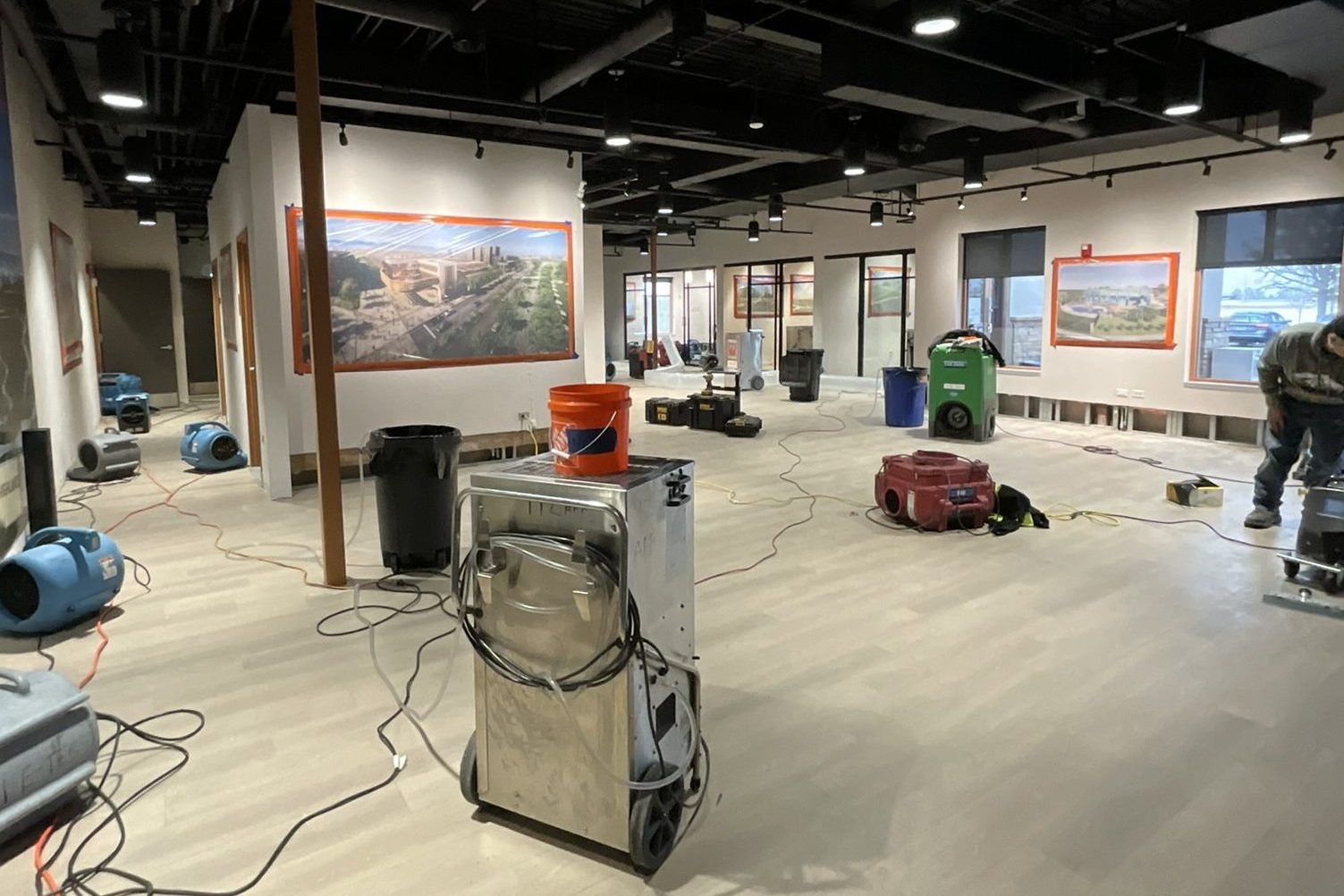
Remediation is not complete until an independent laboratory confirms clearance. Atlas ACES coordinates post-remediation verification testing with accredited third-party labs that collect air and surface samples from inside the former containment zone and from control areas elsewhere in the home. Lab results are compared against baseline readings taken before remediation began. We do not remove containment barriers until PRV results confirm that spore counts have returned to normal background levels and the project has achieved clearance status.
Mold-damaged homes often need more than just spore removal. Rotted subfloor, compromised wall framing, deteriorated attic decking, and water-damaged insulation all require structural attention after the remediation phase concludes. Because Atlas ACES is licensed for both environmental abatement and general contracting, the same team that removed the mold also handles framing repairs, drywall replacement, insulation, and finish work. This single-contractor model eliminates the coordination delays and warranty gaps that arise when homeowners hire separate remediation and reconstruction companies.
From initial inspection through final clearance, every step is documented, communicated, and verified.
1
Visual assessment, thermal imaging, moisture mapping, and air quality sampling sent to an accredited lab for species identification and spore counts.
2
Sealed containment barriers, negative air pressure, HEPA filtration, physical removal of colonized material, and antimicrobial treatment of salvageable surfaces.
3
Commercial dehumidification and air movement to bring moisture levels below growth thresholds, followed by independent post-remediation verification testing.
4
Structural framing repairs, drywall replacement, insulation, and finish work handled by the same Atlas ACES crew—no second contractor required.
Documented before-and-after results from residential and commercial mold remediation projects across the Denver metro area.
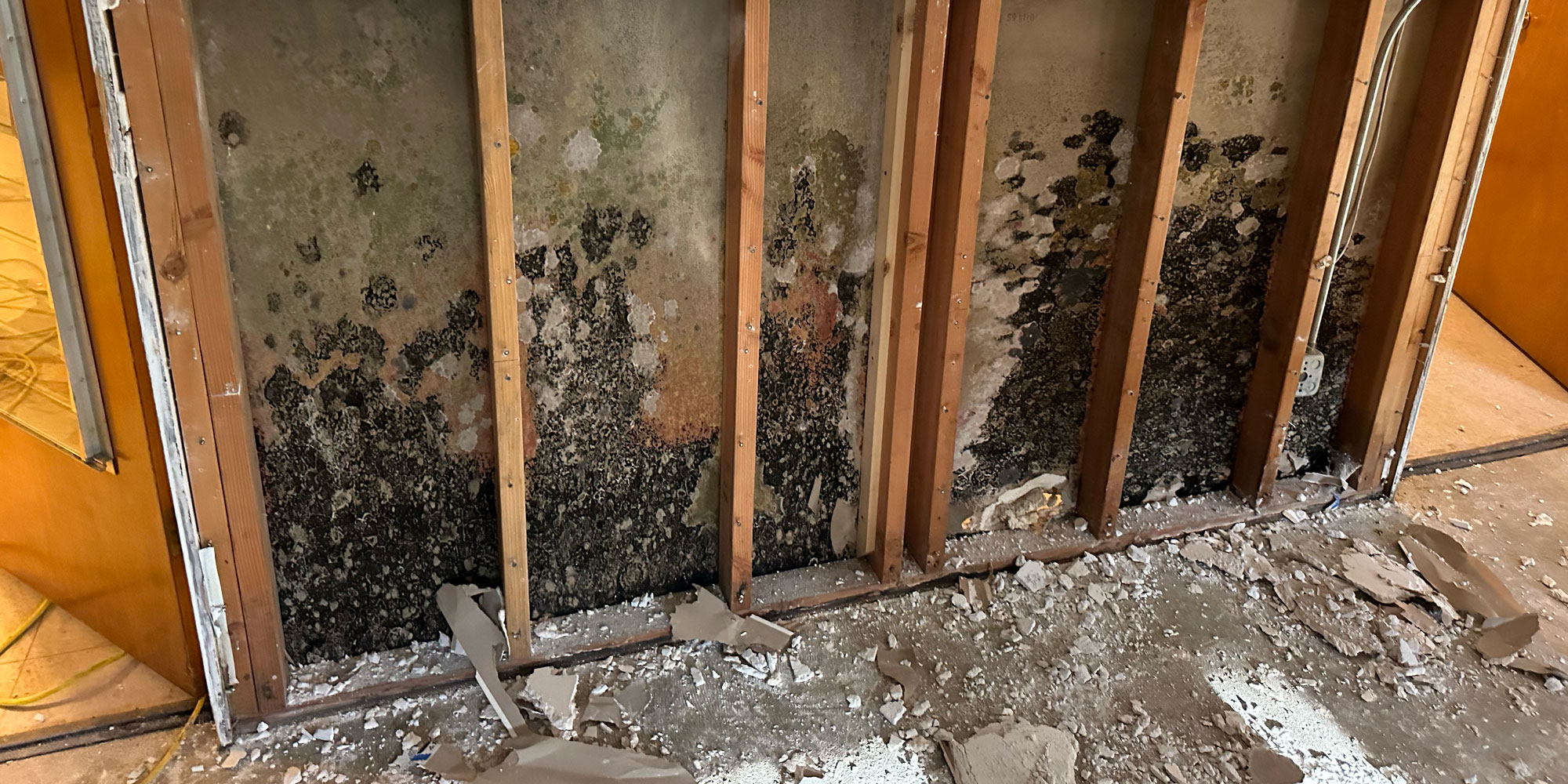
Commercial and residential restoration, remediation, and demolition work completed by Atlas across the Denver metro and Front Range.
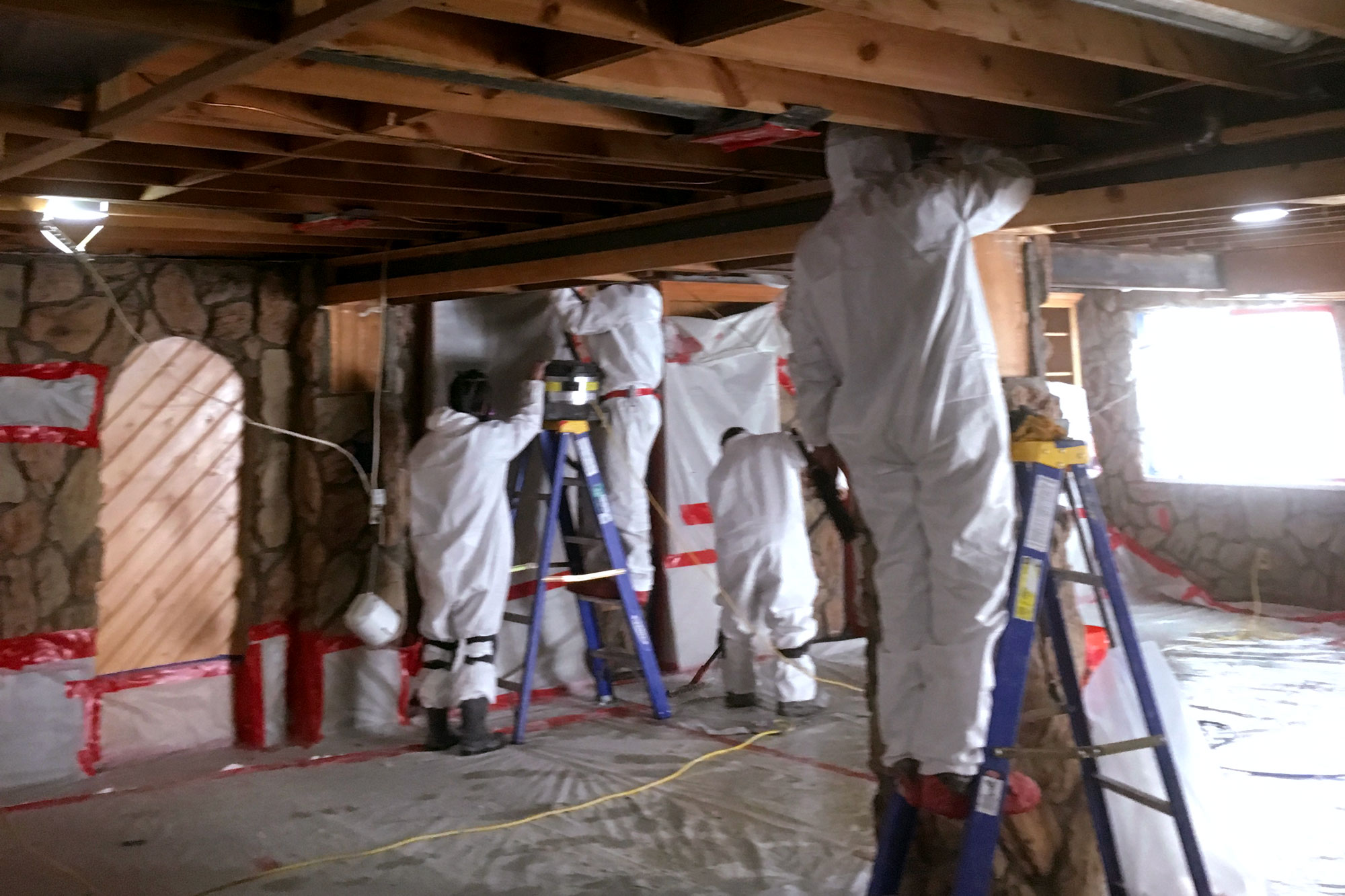
Commercial and residential restoration, remediation, and demolition work completed by Atlas across the Denver metro and Front Range.
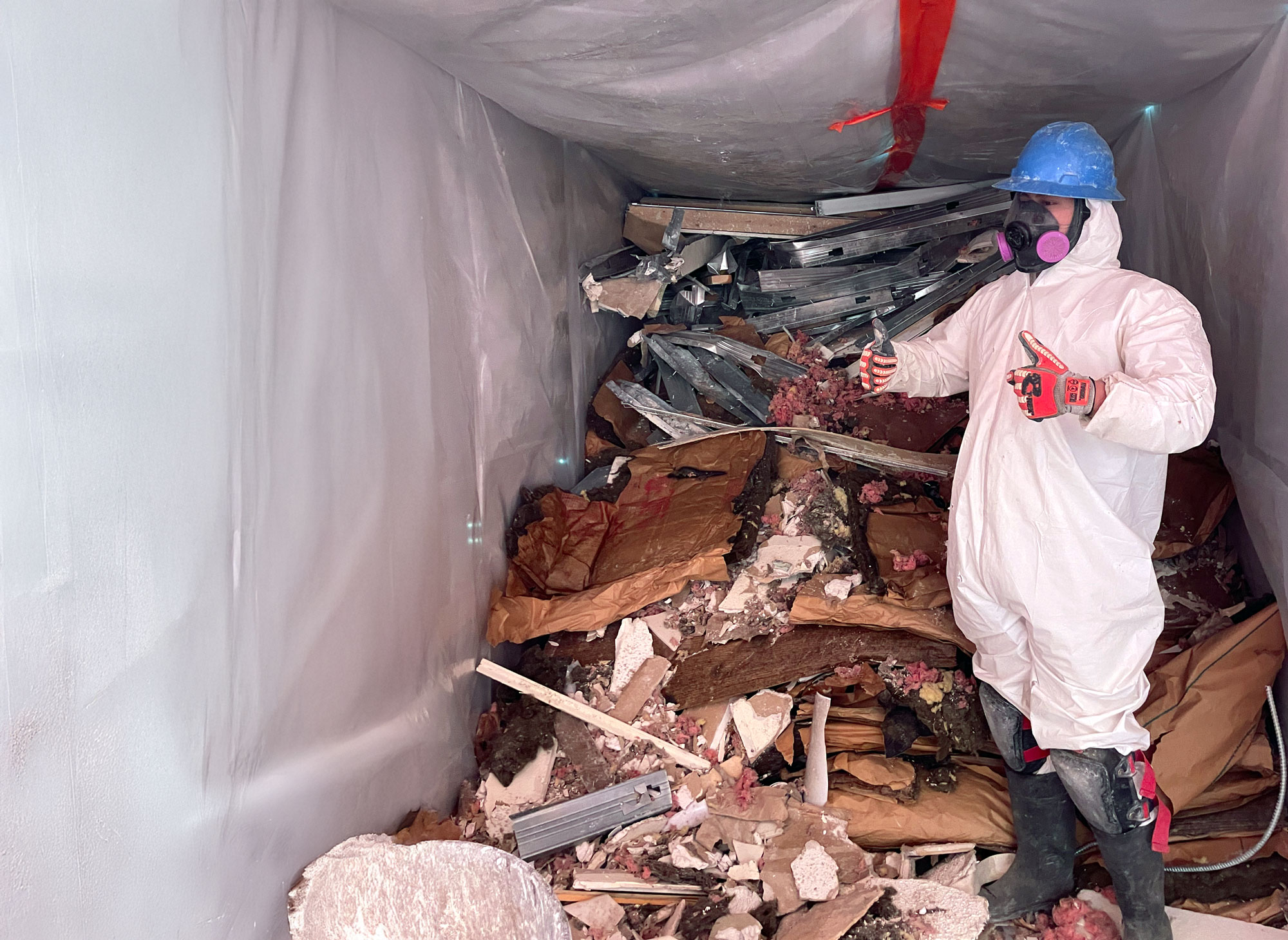
Commercial and residential restoration, remediation, and demolition work completed by Atlas across the Denver metro and Front Range.
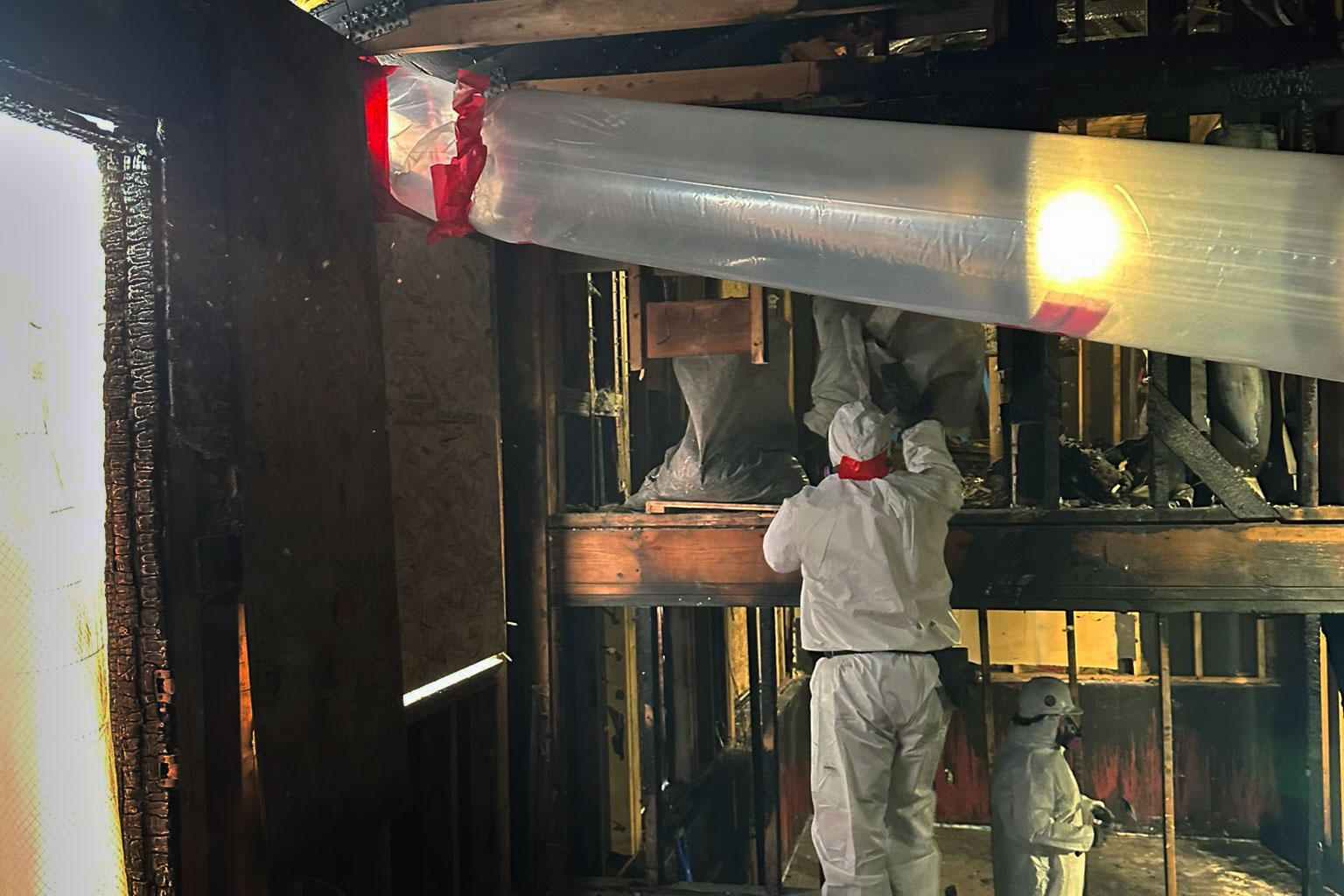
Commercial and residential restoration, remediation, and demolition work completed by Atlas across the Denver metro and Front Range.
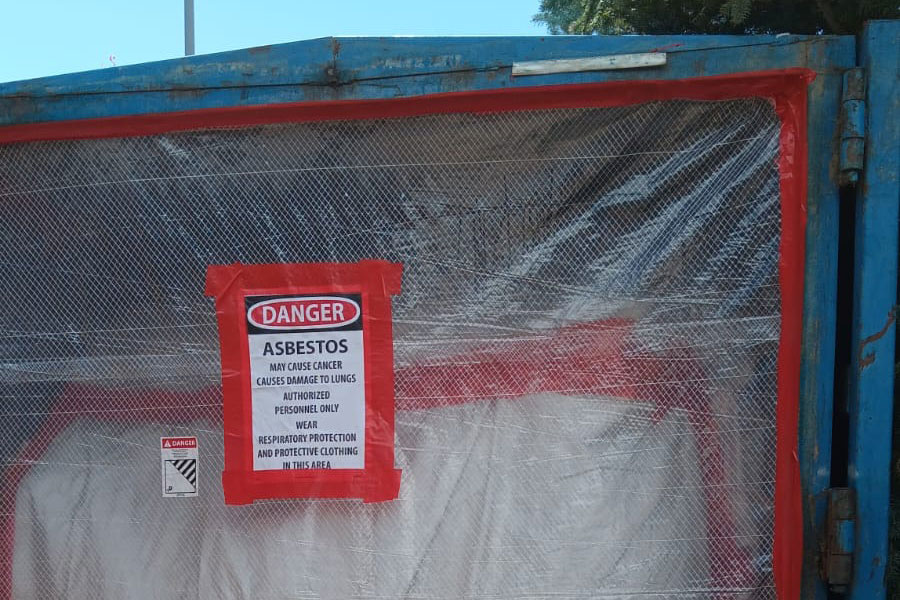
Commercial and residential restoration, remediation, and demolition work completed by Atlas across the Denver metro and Front Range.
Commercial and residential restoration, remediation, and demolition work completed by Atlas across the Denver metro and Front Range.
Client Feedback
Real feedback from homeowners who trusted Atlas ACES with mold remediation in their homes.
Brian Haugh
2 months ago
Great crew and fast response
georgina Cordero
7 months ago
Steve and his crew, along with Cassandra were amazing. Steve put me at ease with my situation, he took care of everything. They showed up and worked and did an excellent job.
theresa haskin
11 months ago
We had a roof leak in our kitchen caused by a roofer. Rob came out right away and assessed the issue and worked with myself and the roofer. That day he had made a plan for how the job would go, and began setting up equipment to keep my family safe. He walked me through every step of how the job would go and kept my husband and I informed throughout the process. He made sure that the toddler and newborn in my home would be safe throughout the entire demo process. I cannot recommend this company enough.
Doug
11 months ago
This is an honest place. There are so many disreputable companies out there in this industry, but Atlas is not one of them. Quick work, proper abatement to prevent contamination, and friendly service all come with the fairly priced Atlas contract. Nobody wants to have this work done because it usually means things have gone sideways in your home. That said, if you do, call Atlas Contracting and Environmental Solutions; the company is ACES!!!
Jacob Martin
11 months ago
Wonderful experience working with Steve and his knowledgeable and skilled team. 10/10
Rebecca Love
1 year ago
Fast to set up, done promptly and tidy afterwards. Thanks
Mold growth is almost always the result of unresolved water intrusion. Atlas ACES offers a full spectrum of damage restoration services so that the underlying cause is addressed alongside the mold colony.
Damage Restoration
Emergency water extraction, structural drying, and rebuild services for flood, pipe burst, and storm damage. Addressing water damage promptly prevents secondary mold colonization.
Emergency Response
24/7 rapid-response water extraction using truck-mounted pumps and commercial dehumidification to minimize structural saturation and mold risk.
Environmental Remediation
Licensed asbestos inspection, testing, and abatement for homes built before 1980. Often paired with mold remediation when both hazards are discovered during renovation or water damage repair.
Answers to the most common questions Sheridan homeowners ask about professional mold removal.
Mold remediation costs in Sheridan typically range from $1,500 to $6,000 depending on the scope of the project. Factors that influence final pricing include the size of the affected area, containment requirements, whether structural materials need to be removed, and the type of mold present. Black mold and extensive attic or crawl space infestations tend to fall toward the higher end of the range. Atlas ACES provides free on-site assessments so you receive an accurate, itemized estimate before any work begins. We break down costs by containment, removal, antimicrobial treatment, and post-remediation verification so there are no surprises.
Professional mold removal is almost always worth the investment for several reasons. Certified remediation crews use HEPA-rated equipment and negative air machines that consumer-grade products cannot match, ensuring airborne spores are captured rather than spread to clean areas of the home. Professionals also identify the moisture source driving the growth—leaky pipes, poor ventilation, foundation drainage issues—so the problem does not return weeks later. From a real estate perspective, documented professional remediation protects resale value and satisfies disclosure requirements in Colorado. DIY attempts often mask the issue cosmetically while the colony continues to grow behind walls and under flooring.
The approach depends on whether the mold is surface-level or has penetrated the drywall substrate. Surface mold on painted walls can sometimes be cleaned with professional-grade antimicrobial agents and HEPA vacuuming. However, if moisture has wicked through the paint and into the gypsum core, the affected drywall sections need to be cut out and replaced. Our technicians use moisture meters and thermal imaging to determine penetration depth before deciding on the removal method. After cleaning or replacing the affected material, we apply antimicrobial encapsulants to prevent regrowth and prime the surface for repainting.
In many cases you can remain in the home, provided the containment zones are properly sealed and the mold is not in a shared air-handling area. Atlas ACES builds full containment barriers using 6-mil poly sheeting and runs negative air pressure machines so that spores cannot migrate from the work zone into living spaces. However, if the infestation is severe, covers a large portion of the home, or if household members have respiratory conditions, allergies, or compromised immune systems, we recommend temporary relocation for the duration of the project. We discuss this during the initial assessment and help you plan accordingly.
Most residential mold remediation projects take between three and seven business days from containment setup through final clearance testing. Smaller jobs—such as a single bathroom or a section of basement wall—can be completed in two to three days. Larger projects involving attic decking, extensive crawl space work, or multiple rooms may run closer to seven to ten days. The timeline includes containment construction, material removal, HEPA vacuuming, antimicrobial treatment, structural drying, and coordination with a third-party testing lab for post-remediation verification. We provide a projected schedule during your initial consultation.
Yes. Atlas ACES provides comprehensive mold inspections that include visual assessment, moisture mapping with infrared cameras, and air quality sampling. We coordinate with accredited third-party laboratories for spore identification and concentration analysis so results are independent and defensible. Initial inspections help us determine the species present, the extent of colonization, and the moisture pathways fueling growth. After remediation is complete, we arrange post-remediation verification (PRV) testing through the same independent lab to confirm that spore counts have returned to normal background levels and the project has achieved clearance.
Black mold (Stachybotrys chartarum) typically presents as dark greenish-black patches with a slimy or wet texture when actively growing and a dry, powdery appearance when dormant. Common indicators include a persistent musty or earthy odor, especially in enclosed spaces like basements, crawl spaces, and behind cabinets. Water stains on ceilings or walls often signal the moisture conditions that support Stachybotrys growth. Health-related signs can include unexplained allergic reactions, chronic sinus congestion, eye irritation, and respiratory issues that improve when you leave the home. If you notice any combination of these signs, schedule a professional inspection promptly.
Bleach can kill surface mold on non-porous materials like tile and glass, but it is largely ineffective on porous materials like drywall. The sodium hypochlorite in bleach cannot penetrate the paper facing and gypsum core where mold roots (hyphae) are embedded. The water content in bleach actually adds moisture to the substrate, which can accelerate regrowth. Professional remediation uses commercial-grade antimicrobial agents specifically formulated to penetrate porous building materials, along with physical removal of colonized material when necessary. This combination eliminates the colony at its source rather than bleaching the visible surface while the organism continues to thrive underneath.
Still have questions?
We're here to help you find the answers.
Atlas ACES provides free on-site mold assessments with same-week availability. Call us or submit a request online and a certified remediation specialist will be in touch within one business day.
Local Expertise
The Front Range climate—dry summers followed by heavy spring snowmelt and occasional flash flooding—creates specific moisture conditions that fuel mold growth in residential properties. Atlas ACES has remediated hundreds of homes across Sheridan, Englewood, Littleton, and the greater Denver metro, and these are the issues we encounter most often.
Many Sheridan homes built in the 1950s through 1970s have poured concrete or block foundations with minimal exterior waterproofing. Groundwater intrusion through hairline cracks, cold joints, and pipe penetrations creates persistent dampness that supports mold colonies on framing, insulation, and stored belongings. Finished basements are particularly vulnerable because drywall and carpet trap moisture against the foundation wall.
Inadequate attic ventilation combined with bathroom exhaust fans vented into the attic space rather than through the roof creates condensation on the underside of roof sheathing during cold months. Over time, this condensation supports widespread mold colonization across the entire attic deck. We see this frequently in ranch-style homes throughout the South Denver corridor where original ventilation was never updated.
Homes with vented crawl spaces often develop mold on floor joists and subfloor sheathing, especially when the ground vapor barrier is damaged, missing, or improperly lapped. Standing water from spring runoff or irrigation overspray compounds the problem. Atlas ACES addresses crawl space mold with full remediation followed by encapsulation, dehumidification, and drainage corrections to prevent recurrence.
Project Coordination
Atlas Contracting & Environmental Solutions coordinates inspections, containment planning, documentation, and field communication for property owners, facilities teams, and general contractors across the Denver metro. That means faster scheduling, cleaner handoffs between trades, and fewer surprises once work begins. We document site conditions carefully, outline the sequence of work before crews mobilize, and keep the project tied to one clear contact path through our contact page or (303) 241-1938.
On projects involving environmental response, the difference is often in the coordination detail: protecting unaffected areas, sequencing demolition or drying correctly, preserving insurance and compliance documentation, and giving owners realistic next steps instead of vague status updates. Whether you are a homeowner dealing with mold for the first time or a property manager overseeing multiple units, Atlas ACES provides the same level of documented, accountable project management on every job.
Atlas Contracting & Environmental Solutions coordinates inspections, containment planning, documentation, and field communication for property owners, facilities teams, and general contractors across Mold Remediation. That means faster scheduling, cleaner handoffs between trades, and fewer surprises once work begins. We document site conditions carefully, outline the sequence of work before crews mobilize, and keep the project tied to one clear contact path through /contact-us or (303) 241-1938.
On projects involving environmental response, the difference is often in the coordination detail: protecting unaffected areas, sequencing demolition or drying correctly, preserving insurance or compliance documentation, and giving owners realistic next steps instead of vague status updates. This extra layer of planning is part of how Atlas keeps Mold Remediation projects moving without losing sight of safety, schedule, or the final restoration scope.
Why Atlas
Single-source environmental contractor with regulator-grade documentation, fast mobilization, and a Service Disabled Veteran Owned Business commitment to doing the work right the first time.
Atlas operates with the discipline, accountability, and follow-through you expect from a veteran-led organization.
Colorado CDPHE General Abatement Contractor (GAC No. 26365), certified meth lab cleanup contractor, and EPA Lead-Safe certified — credentials owners verify first.
Loss events do not wait for business hours. Crews mobilize fast across the Front Range to stabilize the property and start the documented scope immediately.
Photographed scope, daily progress logs, third-party clearance where required, and a project packet your insurer or inspector can verify.
Abatement, demolition, water and fire restoration, and reconstruction coordination — handled by one accountable contractor instead of three vendors.
We work with every major Colorado carrier and communicate directly with adjusters, GCs, and facility managers so the project moves without friction.
Insurance Partners
Atlas works with every major insurance carrier in Colorado to streamline your abatement, remediation, and restoration claims. We document scope, photograph progress, and coordinate directly with adjusters so the loss event moves to closure without bouncing between vendors.
15+
Major carriers worked
24/7
Adjuster coordination
Carriers we coordinate with
Don't see your carrier? We coordinate with most additional carriers on request — call to confirm.
10% off every Atlas project, every time.
Atlas extends a standing 10% discount to active and retired military, veterans, police, fire, and EMS personnel. As a Service Disabled Veteran Owned Business, supporting those who serve is part of our charter.
Mention the discount when you contact us. Cannot be combined with other promotional offers.
Discount
10%
Off
Areas We Serve
Atlas mobilizes across the Front Range. Whether asbestos, lead, meth, or storm/water response, our certified crews arrive quickly to minimize risk and restore your property safely.